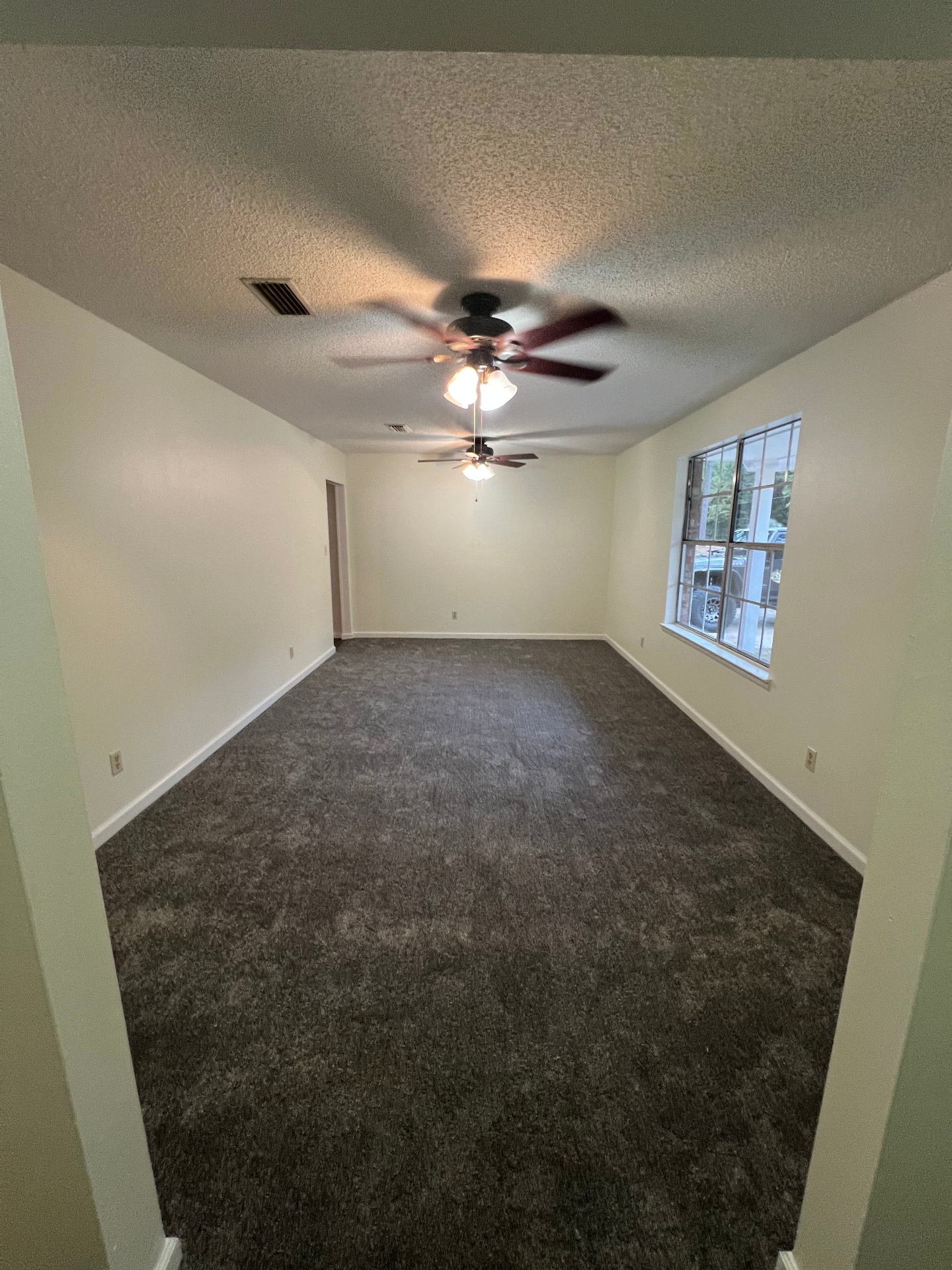
Carpet offers comfort, warmth, and sound absorption that no hard-surface flooring can match. But carpet also raises health considerations that homeowners—especially those with allergies, asthma, or young children—should understand. Scientific research has examined how carpets affect indoor air quality and health outcomes. This article summarizes current evidence to help Gulf Coast homeowners make informed flooring decisions.

Carpets and Indoor Air Quality (IAQ)
Scientific research demonstrates that carpets significantly impact indoor air quality due to their enormous surface area and complex multi-layered structure. According to a comprehensive 2022 study published in Applied Sciences, carpets "cover surfaces of indoor environments and significantly impact IAQ due to their large surface area and multi-layers of materials components."
Consider the scale: carpet pile consists of approximately 10 million fibers per square meter—each fiber a potential surface for particle adhesion, chemical reaction, and biological growth. A typical living room might contain over 100 million individual fibers creating a vast surface area that affects air quality through multiple mechanisms.
These mechanisms include emission (carpets releasing chemicals into air), sorption (carpets absorbing and later releasing compounds from the environment), and particle behavior (carpets trapping, holding, and resuspending dust and allergens). The net effect depends on carpet type, age, maintenance, environmental conditions, and individual sensitivity.
For Gulf Coast homes, high humidity adds another dimension. Moisture in carpet can support biological growth including mold and dust mites. Proper HVAC operation, humidity control, and maintenance practices become especially important in Florida's climate.
Understanding these IAQ impacts doesn't mean carpet is inherently unhealthy—many homes have carpet with excellent air quality. But it does mean informed choices about carpet selection, installation, and maintenance matter for health-conscious homeowners.
Volatile Organic Compound (VOC) Emissions
New carpets emit volatile organic compounds (VOCs)—chemicals that evaporate at room temperature and can affect air quality and health. The characteristic "new carpet smell" comes primarily from 4-phenylcyclohexene (4-PCH), a byproduct of latex adhesive backing.
Research has identified numerous compounds in carpet emissions including aromatic compounds (benzene, styrene, toluene), carbonyl compounds (formaldehyde, acetaldehyde), and various other organic chemicals. A 2022 review in Applied Sciences reports emission rates can range from 10 to 10,000 μg/m²/h depending on carpet type and age—a dramatic range reflecting the variability between products.
Primary emissions—the initial off-gassing when carpet is new—decrease moderately fast. Most volatile compounds dissipate within days to weeks. However, secondary emissions from chemically bound compounds may continue longer as the carpet ages and materials break down. Heat and humidity can accelerate this secondary emission.
Health effects of VOC exposure include nose, eye, and throat irritation; headaches; and in sensitive individuals, more significant respiratory symptoms. However, concentrations from modern low-emission carpets are significantly reduced compared to older products. Industry initiatives including the Carpet and Rug Institute's Green Label Plus certification have driven formulation improvements.
Practical mitigation strategies include selecting certified low-VOC products, ventilating spaces thoroughly during and after installation (open windows, run HVAC), allowing carpet to off-gas in warehouses before delivery when possible, and avoiding installation during times when spaces can't be ventilated. These steps dramatically reduce occupant exposure to installation-related emissions.
Carpets as Allergen Reservoirs
Multiple peer-reviewed studies confirm that carpets accumulate significantly more allergens than hard-surface floors. This accumulation creates reservoirs that can affect sensitive individuals even when allergen sources are no longer present.
A comprehensive review in the International Journal of Environmental Research and Public Health found that "carpeted floors in schools and homes contained significantly more dust, proteins, and allergens than smooth floors." The difference wasn't subtle: house dust mite allergen concentrations in carpeted floor dust were 6-14 times higher than on smooth floors in the same buildings.
Carpets accumulate allergens from multiple sources. House dust mites thrive in carpet pile, feeding on shed human skin cells and producing waste products that are potent allergens. Pet dander accumulates regardless of vacuuming frequency. Mold spores settle and, given sufficient humidity, can grow. Outdoor allergens—pollen, mold, pollution particles—are tracked inside on shoes and clothing and trapped in carpet fibers.
The carpet's reservoir effect means allergen exposure continues even when the original source is removed. Remove a cat from a home, and cat allergen levels in carpeting may remain elevated for months or years. Seasonal pollen persists in carpet long after outdoor levels decline.
For individuals with allergies and asthma, this accumulation presents documented health risks. Multiple health authorities recommend minimizing carpet in homes of allergic individuals, particularly in bedrooms where exposure duration is longest. However, for non-allergic individuals, carpet's allergen trapping may actually reduce airborne particle concentrations by removing them from breathable air.
Particle Resuspension During Activity
Walking and other activities resuspend particles trapped in carpet back into breathable air, creating a dynamic cycle of deposition and re-exposure. Research has quantified this phenomenon, revealing that carpet's role as a particle sink can become a source of exposure during normal room use.
Studies demonstrate that "for particle size 3.0-10.0 μm, carpets exhibited higher resuspension fractions compared with hard floorings." Human activity on carpeted floors increases airborne particle concentrations more significantly than identical activity on hard surfaces.
The particle size matters for health. Larger particles (>10 μm) deposit relatively quickly and primarily affect the nose and throat. Smaller particles (<2.5 μm) remain airborne longer and penetrate deep into lungs. Research found that "high-density cut pile carpeting resulted in the highest exposures" to both fine and coarse particles during simulated walking activity.
This resuspension mechanism explains why individuals with allergies sometimes feel better outdoors or in non-carpeted spaces even when allergen sources are present throughout the home. The act of walking through a carpeted room can temporarily multiply airborne allergen concentrations.
Mitigation strategies address both accumulation and resuspension. Regular vacuuming with HEPA filtration removes particles before they can be resuspended. Lower-pile or loop construction traps fewer particles initially. Strategic placement of entry mats reduces tracked-in contaminants. For sensitive individuals, limiting carpet in high-traffic areas reduces resuspension exposure.
Documented Health Associations
Epidemiological studies have examined relationships between carpet use and health outcomes, with particularly concerning findings for sensitive populations including children, elderly individuals, and those with respiratory conditions.
Research has documented associations between carpeted floors and increased asthma symptoms, with some studies showing asthma exacerbation rates higher in carpeted versus non-carpeted environments. Allergic rhinitis symptoms correlate with carpet presence in multiple studies. Subjective assessments of indoor air quality consistently rate carpeted spaces less favorably than hard-surface alternatives.
Several health authorities have issued recommendations based on this research. The American Academy of Pediatrics suggests avoiding carpet in children's rooms when possible. Various asthma management guidelines recommend hard-surface flooring for asthma sufferers. School health recommendations increasingly favor hard floors, particularly in areas with high occupancy and limited ventilation.
However, study designs vary in quality, and some researchers note methodological limitations. Carpets can trap particles that would otherwise remain airborne—potentially reducing immediate inhalation exposure even while creating allergen reservoirs. Selection bias may affect findings if allergic families already avoid carpet, making non-carpeted homes more likely to house allergic individuals.
The most defensible conclusion: carpet presents documented risks for individuals with allergies and asthma, and minimizing carpet exposure benefits these populations. For non-allergic individuals, properly selected and maintained carpet may present acceptable risk—though hard-surface alternatives avoid the concerns entirely.
How to Minimize Carpet Health Risks
For homeowners who choose carpet—whether for comfort, cost, sound control, or aesthetic reasons—research suggests several evidence-based strategies to minimize health risks while enjoying carpet's benefits.
Product selection matters significantly. Choose low-VOC products certified by programs like Green Label Plus (U.S.) or GUT (European), which require emissions below established thresholds. Certification programs test for dozens of compounds and reject products that exceed limits. Modern certified carpets emit dramatically less than uncertified products or older installations.
Installation practices affect initial exposure. Allow new carpet to off-gas before occupancy when possible—commercial installations often let carpet "breathe" in warehouses before delivery. Ventilate well during and after installation, running HVAC systems and opening windows when weather permits. Time installation to allow ventilation before occupancy; avoid installing just before holidays or events when spaces will be occupied immediately.
Maintenance removes accumulated allergens before they resuspend. Vacuum with HEPA filtration at least twice weekly—more frequently with pets or in high-traffic areas. HEPA filters capture the small particles that standard vacuums merely redistribute. Professional deep cleaning every 12-18 months removes embedded contaminants that vacuuming can't reach.
Environmental control addresses biological concerns. Maintain humidity below 50% to discourage dust mite proliferation—challenging but achievable in Gulf Coast homes with proper HVAC operation. Fix leaks promptly to prevent mold colonization. Use dehumidifiers in humid seasons.
Strategic placement limits exposure in sensitive areas. Consider carpet alternatives for bedrooms of allergy or asthma sufferers, where eight-hour exposure duration makes accumulation effects most concerning. Consider area rugs that can be removed for cleaning or replacement rather than wall-to-wall carpet that can't be easily addressed.
Hard Floor Alternatives for Allergy Sufferers
For individuals with allergies or asthma, or households prioritizing air quality, hard-surface flooring offers documented advantages. Understanding these alternatives helps homeowners make informed decisions.
Smooth floors accumulate less allergen-laden dust because particles can't embed in fibers. Regular sweeping or mopping—quick, simple maintenance—removes particles that would accumulate in carpet pile for weeks. Studies show allergen levels on hard floors are typically 6-14 times lower than on carpet in the same environments.
Luxury vinyl plank (LVP) offers warmth and comfort closer to carpet than traditional hard surfaces. Waterproof construction suits Gulf Coast humidity. Easy cleaning removes allergens effectively. Some products include antimicrobial treatments. The realistic wood appearances satisfy aesthetic preferences without wood's maintenance requirements.
Laminate flooring provides wood aesthetics with smooth, cleanable surfaces. Newer waterproof products expand installation options. Lower cost than hardwood makes it accessible for budget-conscious homeowners seeking allergen reduction.
Hardwood flooring, the traditional alternative, offers beauty and value that increases home worth. Regular dusting and occasional mopping maintains low allergen levels. However, solid hardwood requires moisture management that challenges some Gulf Coast homes.
Tile—ceramic or porcelain—provides complete water resistance and extreme durability. Ideal for bathrooms and kitchens where moisture and allergens combine. Cool underfoot in Florida's climate. Antimicrobial glazes available for enhanced hygiene.
Area rugs can provide some carpet benefits—warmth, texture, sound absorption—while allowing regular washing, outdoor cleaning, or complete replacement. Machine-washable rugs suit households with allergy concerns. Rugs can be removed during peak allergy seasons.
If warmth and softness matter but carpet concerns remain, consider radiant floor heating with hard surfaces. Heated tile or hardwood provides comfort without the allergen accumulation that carpet creates.
Frequently Asked Questions
Research shows carpets accumulate 6-14 times more allergens than hard floors and can worsen symptoms for allergy and asthma sufferers. Health authorities recommend hard flooring for allergic individuals, particularly in bedrooms where exposure duration is longest.
New carpets emit VOCs including 4-PCH (the "new carpet smell"), formaldehyde, and various other compounds. Emissions decrease over time, with most off-gassing complete within weeks. Choose Green Label Plus certified low-VOC products and ventilate thoroughly during installation to minimize exposure.
Vacuum with HEPA filtration at least twice weekly. Professionally clean every 12-18 months. Maintain indoor humidity below 50% to discourage dust mites. Consider replacing old carpet with certified low-emission products. Use entry mats to reduce tracked-in contaminants.
Yes—health authorities recommend avoiding carpet in bedrooms for individuals with asthma or allergies. Eight-hour nightly exposure in carpeted bedrooms maximizes allergen exposure. Hard-surface flooring with washable area rugs offers better outcomes for sensitive individuals.
Tile (ceramic or porcelain) is excellent for Florida's humidity—waterproof, easy to clean, cool underfoot. Luxury vinyl plank offers warmth with complete water resistance. Both accumulate far fewer allergens than carpet and are easily cleaned to maintain low allergen levels.
Yes, professional hot water extraction (steam cleaning) every 12-18 months significantly reduces accumulated allergens, dust mites, and contaminants that regular vacuuming misses. However, cleaning cannot eliminate embedded particles entirely—it's a mitigation strategy, not a solution. For sensitive individuals, hard flooring remains the healthier choice.
Green Label Plus is the Carpet and Rug Institute's certification program verifying low VOC emissions. Certified carpets, cushions, and adhesives meet strict limits for total VOCs and specific chemicals including formaldehyde and 4-PCH. For indoor air quality-conscious buyers, this certification indicates a carpet with minimal off-gassing impact.
Carpet tiles can be healthier due to lower installation adhesive requirements (often just tape), easier replacement of stained sections, and better maintenance access. Some manufacturers like Interface offer carbon-neutral tiles with recycled content. However, tile edges can trap debris if not properly maintained. Both types should be Green Label Plus certified.
Sources
1.
Impact of Carpets on Indoor Air Quality.
Applied Sciences, 12, 12989.
2.
Do Carpets Impair Indoor Air Quality and Cause Adverse Health Outcomes: A Review.
International Journal of Environmental Research and Public Health, 15, 184.
3.
Allergens in indoor air: environmental assessment and health effects.
The Science of the Total Environment, 270, 33-42.