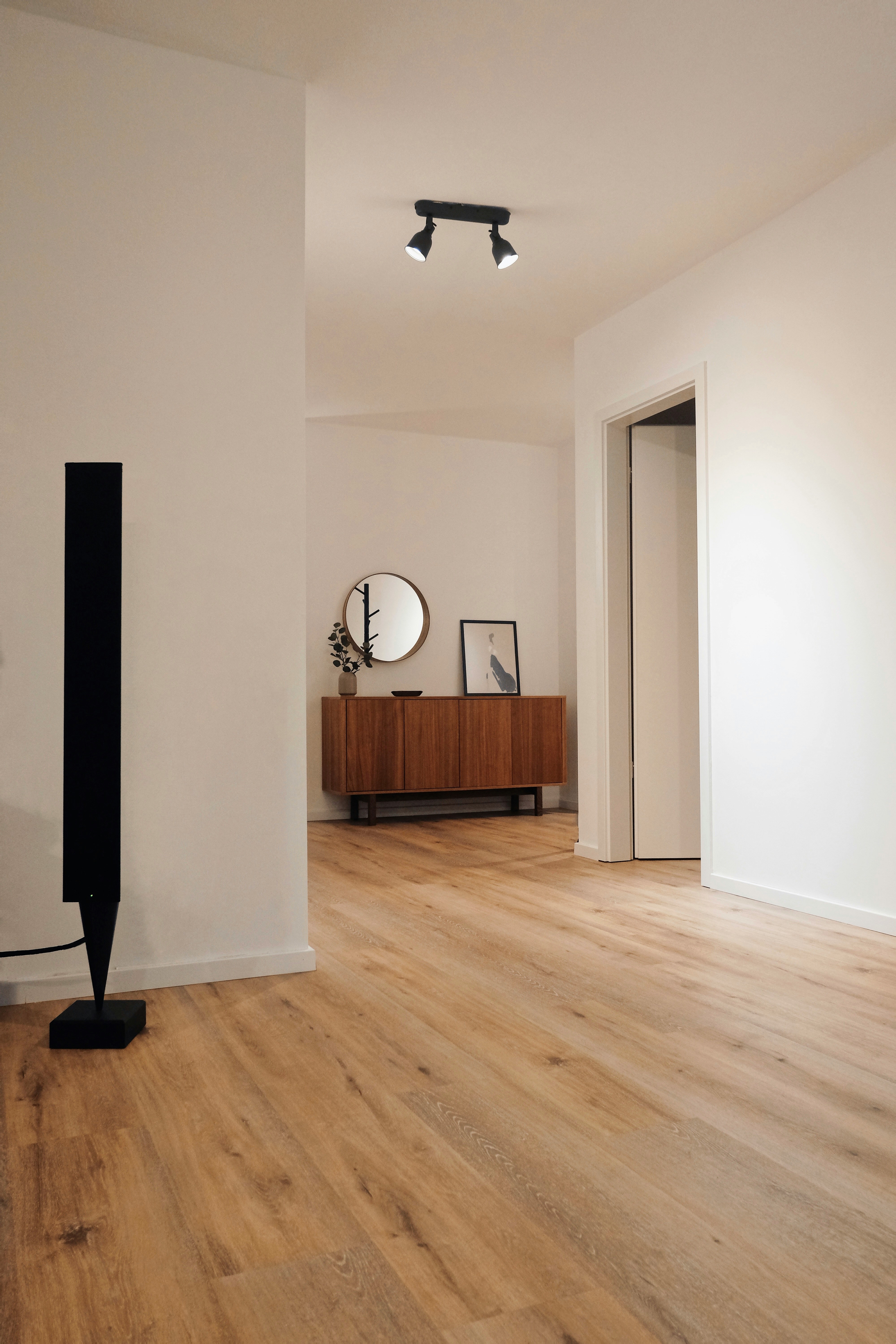
Flooring technology has evolved dramatically over the past century, driven by advances in chemistry, manufacturing, and our understanding of what makes floors comfortable, durable, and beautiful. From the natural materials our ancestors relied upon to today's engineered products designed for specific performance characteristics, this evolution represents humanity's ingenuity in creating better living spaces. For Gulf Coast homeowners, understanding this evolution helps in choosing flooring that will perform in our unique climate.

From Natural to Synthetic: The Material Revolution
For most of human history, flooring relied exclusively on natural materials: stone quarried from the earth, wood harvested from forests, clay shaped by human hands, and natural fibers woven by skilled craftspeople. These materials served humanity well but imposed limitations—wood rotted in moisture, natural fibers attracted pests, and stone was cold and hard underfoot.
The 20th century introduced synthetic alternatives that expanded flooring possibilities exponentially. Vinyl (polyvinyl chloride/PVC) emerged from petroleum chemistry, offering a waterproof, resilient surface that could be manufactured in endless patterns. Nylon, invented by DuPont in 1938, created carpet fibers more durable than any natural alternative. Laminate flooring combined photography with melamine resins to create affordable wood-look surfaces.
Today, we're seeing a sophisticated hybrid approach. Engineered hardwood combines real wood veneer with stable plywood or HDF cores. Luxury vinyl plank (LVP) uses rigid polymer cores topped with high-definition printed designs and textured wear layers. Even carpet blends synthetic performance fibers with natural materials for optimal characteristics.
Sustainable materials are making a comeback: bamboo matures in 3-5 years versus 40-60 years for hardwood; cork regenerates after harvest; recycled PET plastic from bottles becomes carpet fiber. The evolution isn't simply from natural to synthetic—it's toward materials engineered for specific purposes while minimizing environmental impact.
Installation Methods: From Nails to Click-Lock
Traditional flooring installation required skilled craftsmen working with nails, adhesives, or mortar. Hardwood flooring was laboriously blind-nailed plank by plank—each board positioned, each nail driven at precisely the correct angle to penetrate the tongue without splitting. Installing a 200-square-foot room might take a skilled craftsman an entire day or more.
Vinyl sheet flooring required precise cuts and careful adhesive application—too little glue and edges lifted; too much and it oozed between seams. Ceramic tile demanded mastery of mortar consistency, tile spacing, and grout application. Carpet installation involved stretching, tacking, and seaming skills developed through years of apprenticeship.
The evolution toward DIY-friendly installation began with laminate flooring's click-lock systems in the 1990s. Unilin's patented locking profile allowed planks to snap together without glue, creating floating floors over existing surfaces. This single innovation transformed who could install flooring and expanded the market dramatically.
Today's floating floors eliminate adhesives entirely for many products. Luxury vinyl plank clicks together over most existing floors. Even traditional nail-down hardwood installation has been simplified by improved pneumatic nailers and pre-finished products. Mat-set systems simplify tile installation, reducing the expertise required for acceptable results.
This evolution has made quality flooring accessible to more homeowners while reducing labor costs for professional installations. A room that once took days now takes hours—without sacrificing quality or durability.
Durability Advances: Floors That Last Generations
Modern flooring lasts significantly longer than historical products thanks to advances in material science and manufacturing precision. Understanding these durability improvements helps homeowners make informed decisions about long-term value.
Wear layer technology protects surfaces from the scratches, scuffs, and fading that plagued earlier flooring. Aluminum oxide finishes on hardwood and laminate provide scratch resistance far beyond traditional polyurethane. Modern vinyl wear layers have increased from 6 mil (0.006 inches) to 20+ mil for residential use—the thicker the wear layer, the longer the floor will maintain its appearance under foot traffic.
UV stabilizers prevent sun damage that historically bleached and degraded flooring. In Florida's intense sunlight, this protection is essential for maintaining appearance near windows and glass doors. Antimicrobial treatments resist the mold and mildew that Gulf Coast humidity can promote.
Manufacturing precision has eliminated the variations that weakened earlier products. Computer-controlled milling creates perfectly fitting joints. Consistent material density prevents soft spots that wear unevenly. Quality control testing ensures every product meets specifications.
Warranties reflect these improvements: where 10-year warranties were once standard, many products now carry 25-year, 30-year, or even lifetime residential warranties. These aren't marketing gimmicks—manufacturers stake their reputation on products engineered to last. Today's floors often outlast the homes they're installed in, with hardwood floors from the 1800s still serving duty in historic homes after multiple refinishing cycles.
The Waterproofing Revolution
Water damage was historically the greatest threat to floors—and for Gulf Coast homes facing humidity, hurricanes, and tropical storms, water management remains critical. The evolution of waterproof flooring has transformed what's possible in moisture-prone spaces.
Traditional materials struggled with water in different ways. Solid hardwood absorbed moisture, causing swelling, cupping, and warping. Laminate flooring's HDF core swelled irreversibly when wet. Carpet developed mold and mildew. Even vinyl sheet flooring could trap moisture underneath if installed over damp concrete. Homeowners accepted that bathrooms, kitchens, and basements were off-limits for many flooring types.
The 21st century brought revolutionary waterproofing solutions. Wood Plastic Composite (WPC) cores in vinyl, introduced around 2012, combined wood flour and plastic polymers into dimensionally stable, completely waterproof cores. Stone Plastic Composite (SPC) followed, using limestone powder for even greater density and temperature stability.
These rigid core technologies created flooring that can be submerged in water without damage—a claim that would have been impossible a generation ago. Attached cork or IXPE underlayment adds comfort while creating a moisture barrier. Click-lock joints seal against water penetration.
Even traditional materials have evolved. Waterproof laminate flooring now exists, with moisture-resistant HDF cores and sealed edges. Engineered hardwood features improved water-resistant finishes. Waterproof carpet backings are emerging for pet owners concerned about accidents.
For Gulf Coast homes, these advances have been transformative. Homeowners no longer sacrifice beauty for practicality in bathrooms and kitchens. Coastal condos can have wood-look flooring that survives high humidity. Hurricane preparation no longer means worrying about whether flooding will destroy the floors.
Aesthetics: From Limitations to Unlimited Options
Early flooring offered limited aesthetic choices: the natural color of the wood species available locally, the stone quarried nearby, the basic dyes that could be applied to natural carpet fibers. Homeowners worked within these constraints, sometimes painting wood floors to achieve variety.
Manufacturing advances changed everything. High-definition inkjet printing creates photorealistic wood and stone patterns on vinyl and laminate with resolution so fine that grain lines and mineral inclusions look startlingly authentic. Embossed-in-register (EIR) technology adds surface texture that matches the printed visual grain—run your hand across modern LVP and you'll feel ridges where the "wood grain" appears.
Digital printing allows unlimited patterns. Custom designs can be created for specific projects. No longer limited by natural material variations, manufacturers offer consistent appearance across entire production runs—essential for large installations where pattern matching matters.
The range of options has exploded across all categories. Carpet comes in thousands of colors and patterns, from solid neutrals to bold geometrics. Tile can mimic virtually any material—wood-look porcelain, concrete-look ceramic, marble-look porcelain that costs a fraction of the real stone. Hardwood is available in species from around the world, with stains and finishes from natural to gray-washed to ebony.
Plank dimensions have evolved too. Narrow 2-1/4" strips that defined mid-century hardwood have given way to wide 7" or 9" planks that create more realistic wood appearances. Long planks reduce end joints. Mixed-width installations add visual interest.
Today's homeowners have more aesthetic choices than any previous generation—and the technology exists to achieve virtually any look imaginable.
Sustainability: The Green Flooring Movement
Environmental concerns have reshaped flooring evolution, driven by consumer demand, regulatory requirements, and manufacturers' genuine commitment to sustainability. The industry has moved from purely performance-focused to balancing beauty, durability, and environmental responsibility.
Responsible sourcing addresses raw material origins. FSC (Forest Stewardship Council) certification ensures wood comes from responsibly managed forests. Chain-of-custody tracking follows materials from forest to factory to home. Illegal logging and deforestation concerns have made certification increasingly important to environmentally conscious consumers.
Rapidly renewable materials offer alternatives to slow-growing hardwood. Bamboo, technically a grass, matures in 3-5 years versus 40-60 years for oak. Cork flooring uses bark harvested from cork oak trees without killing them—the bark regenerates every 9 years. These materials offer sustainability without sacrificing beauty or performance.
Recycled content appears throughout the flooring industry. Carpet made from recycled PET plastic bottles diverts waste from landfills. Vinyl flooring incorporates recycled content in backing layers. Underlayment products use recycled rubber and foam. Some manufacturers have achieved significant recycled content percentages without compromising product quality.
Indoor air quality has become a major focus. Low-VOC (Volatile Organic Compound) adhesives and finishes reduce off-gassing that can irritate eyes and respiratory systems. FloorScore and GREENGUARD certifications verify low emissions. The "new floor smell" that once indicated installation is now minimized through formulation improvements.
End-of-life considerations are emerging. Carpet recycling programs accept old carpet for processing into new products rather than landfill disposal. Some vinyl manufacturers accept old flooring for recycling. Cradle-to-cradle certification tracks full lifecycle impact, pushing manufacturers toward circular economy thinking.
The evolution continues toward flooring that's good for homes and good for the planet.
Frequently Asked Questions
Waterproof core technology (WPC and SPC) in luxury vinyl plank has been transformative, allowing wood-look and stone-look flooring in bathrooms, kitchens, basements, and humid climates where traditional materials would fail.
Click-lock floating floor systems, pioneered in laminate and now standard in LVP, have revolutionized installation by eliminating glue and nails for many products. A room that once required professional installation can now be completed by a handy homeowner in hours.
Yes, significantly. Wear layer technology, UV stabilizers, improved finishes, and manufacturing precision have dramatically increased durability. Modern flooring typically carries warranties 2-3 times longer than products from previous generations.
Options include bamboo (matures in 3-5 years), cork (harvested without killing trees), FSC-certified hardwood (from responsibly managed forests), recycled content carpet and vinyl, and low-VOC products that improve indoor air quality.
Gulf Coast humidity, tropical storms, and moisture-prone spaces like bathrooms and kitchens make waterproof flooring essential. WPC and SPC luxury vinyl, waterproof laminate, and tile can handle moisture that would damage traditional hardwood or standard laminate.
Linoleum, invented in 1860, was the first manufactured flooring product. Made from linseed oil, cork dust, and wood flour, it represented a revolutionary shift from natural materials like wood and stone. Linoleum dominated flooring until vinyl's rise in the mid-20th century.
Modern flooring production uses computer-controlled manufacturing, digital printing technology, automated quality inspection, and robotic handling. These advances enable consistent quality, faster production, and wider product variety. A modern LVP line produces flooring at speeds impossible just decades ago.
Technology transformed every aspect: circular saws enabled consistent wood milling, synthetic chemistry created vinyl and modern finishes, digital printing produces realistic patterns, and CNC machinery enables precision engineering. Each technological leap enabled new flooring categories or dramatically improved existing ones.