
Source Control: Eliminating Pollutants at the Source
The most effective strategy for cleaner interiors is preventing pollutants from entering the space in the first place. Source control addresses contamination before it becomes an air quality problem.
Low-Emission Building Materials
Building materials and finishes are major pollution sources:
- Flooring: Choose FloorScore or GREENGUARD Gold certified products. Hard surfaces generally emit less than carpet. Linoleum is naturally low-emitting.
- Paints and Coatings: Specify zero-VOC or ultra-low-VOC formulations. All major paint manufacturers now offer high-quality low-emission options.
- Adhesives and Sealants: Use water-based or low-VOC products. Adhesive emissions persist long after installation.
- Composite Wood: Specify NAF (no added formaldehyde) or ULEF (ultra-low emitting formaldehyde) products for cabinets, subflooring, and furniture.
- Insulation: Avoid spray foam with high-emission blowing agents. Mineral wool and fiberglass are generally lower-emitting.
Furniture and Furnishings
Furniture contributes significantly to indoor emissions:
- Select GREENGUARD or BIFMA level certified office furniture
- Choose solid wood over composite materials when possible
- Allow new furniture to off-gas in well-ventilated areas before bringing indoors
- Avoid flame retardant treatments where not required by code
Entry Mats and Walk-Off Systems
Most indoor dust originates outdoors. Effective entry systems trap contaminants:
- Install 10-15 feet of walk-off matting at all entrances
- Use three-stage systems: scraper, absorber, finishing mat
- Clean or replace mats regularly before they become saturated
- Consider recessed mat wells for seamless appearance and no trip hazard
Ventilation and Air Filtration
Adequate ventilation dilutes indoor pollutants with fresh outdoor air. Filtration removes particles that ventilation alone cannot address.
Fresh Air Ventilation
- Mechanical Ventilation: Modern tight buildings require mechanical systems to ensure adequate outdoor air exchange. ASHRAE 62.1 and 62.2 provide minimum requirements for commercial and residential buildings.
- Natural Ventilation: Operable windows provide fresh air when weather and outdoor air quality permit. Even occasional window opening improves indoor air quality.
- Exhaust Ventilation: Kitchen range hoods, bathroom fans, and dedicated exhaust for pollution sources remove contaminated air before it spreads.
- Demand-Controlled Ventilation: CO2 sensors modulate ventilation based on occupancy, ensuring adequate fresh air without energy waste.
Air Filtration
Filtration removes particles that ventilation cannot eliminate:
- HVAC Filtration: Upgrade to MERV 13+ filters if system capacity allows. Higher MERV ratings capture smaller particles.
- Portable HEPA Units: Supplement central filtration in bedrooms, home offices, or other priority spaces. True HEPA removes 99.97% of particles 0.3 microns and larger.
- Activated Carbon: Carbon filtration adsorbs VOCs and odors. Look for units with substantial carbon beds, not thin carbon-impregnated filters.
Humidity Control
Humidity affects both comfort and air quality:
- Maintain 30-50% relative humidity to minimize mold growth and dust mite populations
- Use dehumidifiers in humid climates, especially in basements and during summer
- Address water intrusion and leaks promptly to prevent mold
- In dry climates or winter, humidification may be needed for comfort
Easy-to-Clean Surface Selection
Surfaces that trap dust, allergens, and microbes are harder to keep clean. Smooth, washable surfaces support cleaner indoor environments.
Flooring Choices
Flooring is the largest surface in most rooms:
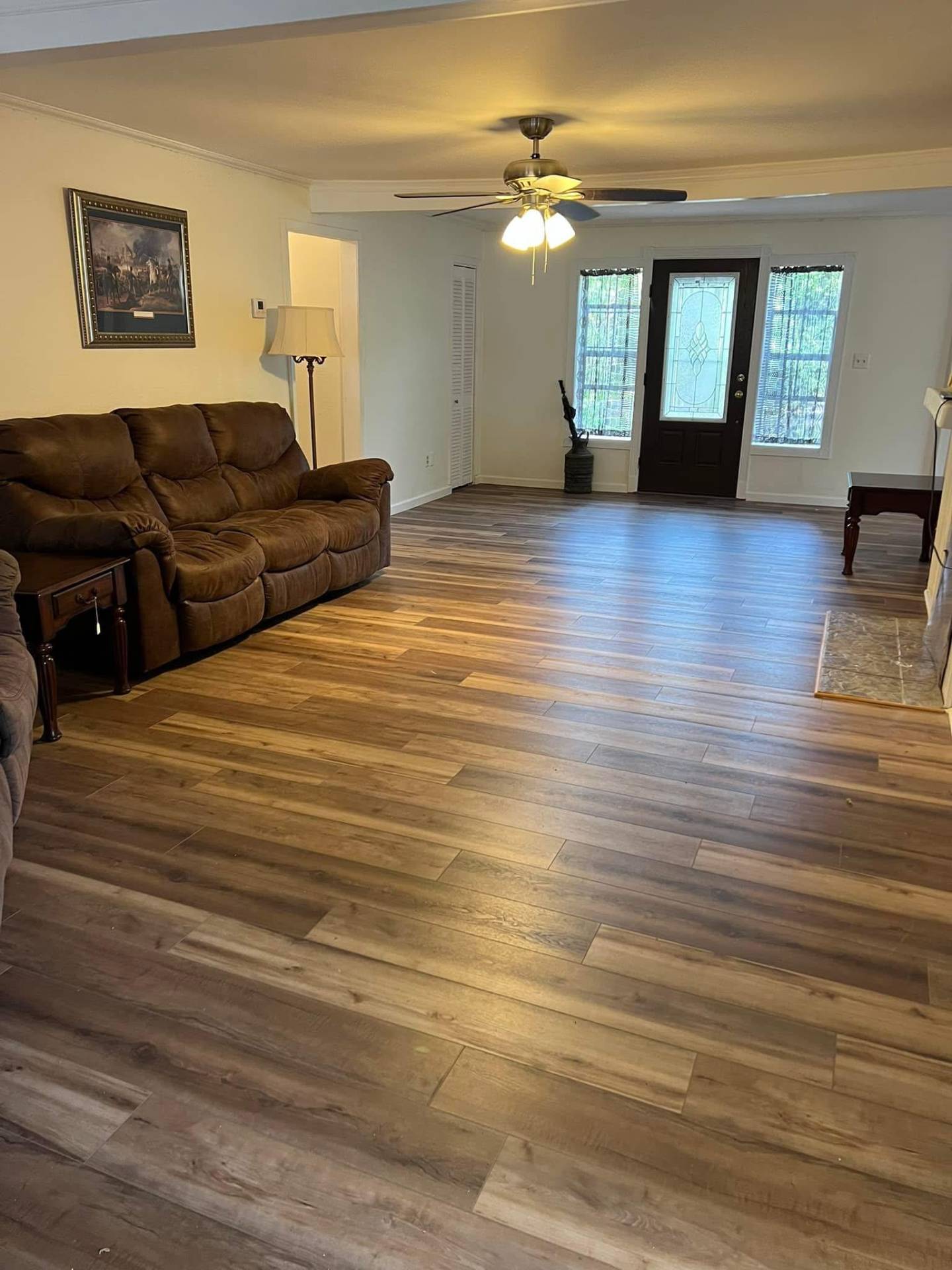
- Hard Surfaces (LVP, Tile, Hardwood): Easier to clean thoroughly than carpet. Dust mops and vacuums remove particles effectively. Wet mopping provides deeper cleaning.
- Linoleum: Naturally antibacterial due to linseed oil oxidation. Smooth surface cleans easily. Good choice for healthcare and food service.
- Carpet: Traps allergens and dust but also holds them until cleaning. If carpet is desired, select low-pile, specify CRI Green Label Plus for low emissions, and maintain with HEPA vacuuming.
- Textured vs. Smooth: Smooth surfaces clean more easily than textured. Consider maintenance requirements when selecting textures.
Wall and Ceiling Finishes
- Washable Paint: Semi-gloss and satin finishes can be wiped clean; flat finishes cannot
- Smooth vs. Textured: Smooth walls collect less dust and clean more easily
- Acoustic Materials: Necessary for sound control but can trap dust. Select cleanable options.
Minimizing Dust-Collecting Features
- Reduce horizontal surfaces that collect dust (open shelving, ledges, ornate molding)
- Choose furniture with smooth, cleanable surfaces
- Minimize curtains and fabric window treatments; consider blinds or shutters
- Store items in closed cabinets rather than open shelving
Green Cleaning Protocols
Cleaning products can themselves be sources of indoor pollution. Green cleaning uses effective products with minimal environmental and health impacts.
Selecting Cleaning Products
- Third-Party Certification: Look for Green Seal, EPA Safer Choice, or EcoLogo certified products
- Avoid Fragrances: "Fragrance" can contain dozens of undisclosed chemicals. Choose fragrance-free products.
- Concentrated Products: Reduce packaging waste and transportation emissions
- Simple is Often Better: Many surfaces clean effectively with just microfiber and water
Effective Cleaning Methods
- Microfiber: Microfiber cloths and mops capture particles rather than spreading them. Machine wash without fabric softener.
- HEPA Vacuuming: HEPA-filtered vacuums capture fine particles instead of exhausting them back into the air. Essential for effective carpet and upholstery cleaning.
- Wet Mopping: Damp or wet mopping captures dust that dry mopping can miss. Change water frequently.
- Top-to-Bottom: Clean from high to low so dust settles onto surfaces not yet cleaned
Cleaning Frequency
Regular cleaning prevents buildup:
- Daily: Kitchen and bathroom surfaces, high-touch areas (doorknobs, light switches)
- Weekly: Vacuuming/mopping floors, dusting horizontal surfaces
- Monthly: Deep cleaning of bathrooms, kitchen appliances, window sills
- Quarterly: Duct cleaning (commercial), deep carpet cleaning, HVAC filter replacement
Ongoing Maintenance Practices
Long-term indoor cleanliness requires ongoing attention to building systems and potential pollution sources.
HVAC Maintenance
- Filter Replacement: Replace filters per manufacturer schedule or when pressure drop indicates. More frequent replacement in high-pollution areas.
- Duct Cleaning: Professional duct cleaning every 3-5 years for commercial buildings, or when contamination is visible
- Coil Cleaning: Clean evaporator and condenser coils annually to prevent mold growth and maintain efficiency
- Drain Pan Maintenance: Ensure condensate drains freely to prevent standing water and microbial growth
Moisture Management
Moisture enables mold and microbial growth:
- Fix leaks immediately—water damage grows exponentially worse with time
- Ensure proper drainage away from building foundation
- Monitor humidity in basements and crawl spaces
- Address condensation on windows and pipes
- Dry water-damaged materials within 24-48 hours or discard
Pest Management
Pests and their control products both affect indoor cleanliness:
- Seal entry points to prevent pest access
- Eliminate food and water sources that attract pests
- Use Integrated Pest Management (IPM) approaches minimizing pesticide use
- If pesticides are necessary, select lowest-toxicity options
Renovation and Repair
Construction activities can severely degrade air quality:
- Isolate work areas with plastic barriers and negative pressure
- Run air scrubbers during dusty work
- Clean thoroughly after construction, including HVAC systems
- Allow adequate time for new materials to off-gas before full occupancy
Room-by-Room Strategies
Different rooms present different challenges for indoor cleanliness.
Kitchens
- Range Hood: Use exhaust ventilation when cooking. Vented hoods are far more effective than recirculating models.
- Surfaces: Non-porous countertops (quartz, solid surface) are more sanitary than porous materials
- Flooring: Waterproof flooring (LVP, tile) handles spills and allows wet mopping
- Garbage: Covered bins with regular removal prevent odors and pests
Bathrooms
- Ventilation: Run exhaust fans during and 20+ minutes after showers to remove moisture
- Surfaces: Tile, LVP, and solid surfaces resist moisture and mold
- Grout: Seal grout to prevent moisture penetration and mold growth
- Fixtures: Clean regularly to prevent biofilm buildup
Bedrooms
- Bedding: Wash sheets weekly in hot water. Use dust mite covers on mattresses and pillows if allergies are a concern.
- Flooring: Hard flooring or low-pile carpet with regular HEPA vacuuming
- Air Quality: Consider portable HEPA filter since bedrooms are where we spend most indoor time
- Declutter: Fewer items means fewer dust-collecting surfaces
Living Areas
- Upholstery: Regular vacuuming of fabric furniture removes dust and allergens
- Electronics: Dust regularly, especially behind TVs and computer equipment
- Entryways: Quality walk-off mats and shoe removal policies reduce tracked-in contamination
Related: VOC reduction | Commercial spaces | Low-VOC materials