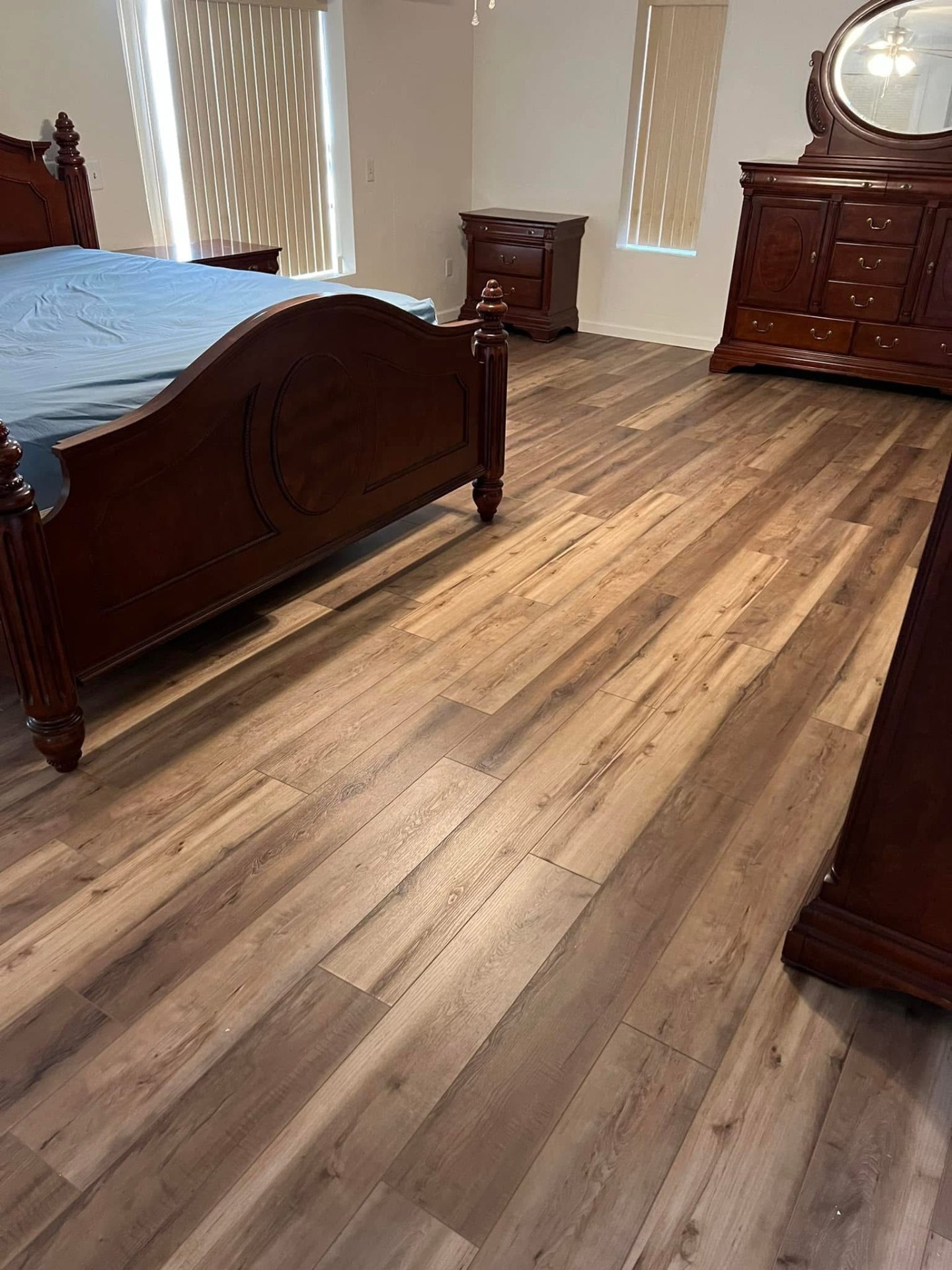

Understanding VOCs and Indoor Air Quality
Volatile Organic Compounds (VOCs) are chemicals that easily evaporate at room temperature, releasing gases into indoor air. While some VOCs are harmless, others can cause health effects ranging from eye and respiratory irritation to more serious conditions with long-term exposure.
Common VOC Sources in Buildings
- Flooring materials: Adhesives, sealers, and some flooring products themselves
- Paints and coatings: Traditional formulations can emit VOCs for weeks after application
- Composite wood products: Particleboard and MDF may emit formaldehyde
- Adhesives and sealants: Used throughout construction for various applications
- Furniture: Particularly pieces with composite wood or certain finishes
Health Effects of VOC Exposure
Short-term exposure to elevated VOC levels can cause:
- Eye, nose, and throat irritation
- Headaches and dizziness
- Respiratory discomfort
- Allergic skin reactions
Long-term or high-level exposure has been associated with more serious health concerns. Certain VOCs are classified as known or suspected carcinogens. Children, elderly individuals, and those with respiratory conditions may be more susceptible to VOC effects.
Why Indoor Air Quality Matters
Americans spend approximately 90% of their time indoors, where pollutant concentrations can be 2-5 times higher than outdoors. Buildings with poor indoor air quality experience higher occupant complaints, increased absenteeism, and reduced productivity. For schools, healthcare facilities, and other sensitive occupancies, air quality directly impacts the populations being served.
LEED Low-Emitting Materials Credit Structure
The Low-Emitting Materials credit in LEED v4/v4.1 uses a threshold approach where points are earned based on the percentage of products meeting emission requirements across multiple categories.
Product Categories
LEED defines seven categories of interior products that must meet emission requirements:
- Interior paints and coatings: Applied to walls, ceilings, and floors
- Interior adhesives and sealants: Including flooring adhesives
- Flooring: All floor finishes installed inside the building
- Composite wood: Particleboard, MDF, plywood, and similar products
- Ceilings, walls, thermal, and acoustic insulation: Exposed materials in occupied spaces
- Furniture: If included in the project scope
- Healthcare and schools: Additional exterior applied products for these occupancy types
Point Thresholds
Points are awarded based on the number of categories meeting the 90% compliance threshold:
- 1 point: At least 3 categories comply (budget/prescriptive option)
- 2 points: At least 5 categories comply
- 3 points: All 7 categories comply (or all applicable categories for the project)
Compliance Calculation
Within each category, at least 90% of products (by cost) must meet emission requirements. Products are evaluated individually, and their compliant cost is summed and divided by total category cost. Non-compliant products in small quantities won't disqualify a category if the 90% threshold is still met.
Emission Testing Standards and Certifications
LEED recognizes specific testing standards and certification programs for demonstrating product compliance. Understanding these standards helps project teams identify qualifying products.
CDPH Standard Method v1.2
The California Department of Public Health Standard Method (also known as CA Section 01350) is the primary testing protocol referenced by LEED. Products are tested in environmental chambers under controlled conditions, and emissions are measured over a specified time period. Results are compared against allowable concentrations for individual VOCs and total VOCs.
FloorScore Certification
FloorScore, administered by SCS Global Services, certifies flooring products meeting CDPH emission requirements. This is the most widely used certification for hard surface flooring. Most major flooring manufacturers offer FloorScore-certified products, making compliance straightforward for this category.
GREENGUARD Certification
UL's GREENGUARD certification verifies products meet emission limits. Two levels exist:
- GREENGUARD: Meets emission limits for general indoor environments
- GREENGUARD Gold: Meets stricter limits for sensitive environments like schools and healthcare facilities
Other Recognized Programs
- CRI Green Label Plus: Carpet and Rug Institute certification for carpet, cushion, and adhesives
- SCS Indoor Advantage: Third-party verification of low emissions
- Blue Angel: German certification program recognized for some products
Inherently Non-Emitting Products
Certain products are considered inherently non-emitting and automatically comply: unfinished solid wood, natural stone, ceramic tile, clay brick, unfinished metal, glass, and concrete. These products don't require testing documentation.
Flooring Compliance Strategies
Flooring compliance typically presents manageable challenges for LEED projects because most major manufacturers offer certified products. However, strategic planning ensures smooth compliance.
Product Selection
Choose flooring with recognized certifications:
- Luxury vinyl plank: Most LVP from major manufacturers is FloorScore certified
- Carpet: Look for CRI Green Label Plus certification
- Hardwood: Many finished hardwoods carry FloorScore or equivalent certification
- Laminate: FloorScore certification increasingly common
- Tile: Ceramic and porcelain tile are inherently non-emitting
Installation Materials
Don't overlook installation products—they have separate requirements:
- Flooring adhesives: Must meet SCAQMD Rule 1168 or CDPH requirements
- Grout and mortar: Subject to adhesive/sealant requirements
- Sealers and finishes: Floor coatings must meet paint/coating requirements
Documentation Requirements
Collect documentation during specification and construction:
- Certification certificates: Download current certificates from manufacturer websites
- Test reports: CDPH test reports if certification isn't available
- Product data: Technical data sheets identifying compliant products
Common Pitfalls
- Uncertified specialty products: Unusual flooring types may lack certification
- Field-applied finishes: Site-applied sealers must meet coating requirements
- Substitutions: Verify replacement products maintain compliance
Explore our eco-friendly flooring options with FloorScore and other certifications.
Low-Emitting Materials Beyond LEED
While LEED provides the framework many projects follow, low-emitting material requirements extend beyond LEED certification. Understanding the broader context helps project teams address all applicable standards.
California Regulations
California's CARB (California Air Resources Board) regulations require composite wood products sold in the state to meet formaldehyde emission limits. These regulations affect flooring containing particleboard, MDF, or plywood components regardless of LEED certification.
WELL Building Standard
WELL includes air quality features requiring low-emitting materials with more comprehensive requirements than LEED. Projects pursuing WELL certification should verify flooring meets WELL-specific thresholds.
Living Building Challenge
The Living Building Challenge goes further, requiring products to be free from Red List chemicals entirely. This affects flooring product selection significantly, particularly for vinyl-based products.
Owner Requirements
Many building owners—particularly healthcare systems, schools, and corporate campuses—have material requirements exceeding code minimums. These may include:
- Specific VOC limits for all products
- Prohibition of certain chemicals
- Required third-party certifications
- Testing requirements for non-certified products
Best Practice Recommendations
Even without certification requirements, specifying low-emitting materials benefits building occupants:
- Reduces occupant complaints about odors and air quality
- Supports occupant health and wellness
- Demonstrates owner commitment to healthy environments
- Prepares buildings for potential future regulations
Implementation Guide for Project Teams
Successfully achieving the Low-Emitting Materials credit requires coordination across design and construction phases. This guide outlines best practices for implementation.
Design Phase
- Credit targeting: Decide point targets and identify categories to pursue
- Specification language: Include emission requirements in Division 09 specifications
- Product research: Identify certified products meeting design requirements
- Basis of design: Document specific compliant products as references
Bidding and Procurement
- Bid requirements: Require contractors to submit compliance documentation with bids
- Substitution criteria: Define acceptable alternative certifications
- Cost tracking: Establish system for tracking product costs by category
Construction Phase
- Submittal review: Verify products meet emission requirements before approval
- Documentation collection: Gather certificates and test reports during submittal process
- Field verification: Confirm installed products match approved submittals
- Change management: Review any substitutions for continued compliance
Documentation for Certification
- Product inventory: Create spreadsheet listing all products by category
- Compliance verification: Document certification or test results for each product
- Cost calculations: Calculate compliance percentage for each category
- Supporting documents: Organize certificates, reports, and product data for submission
For professional installation of low-emitting flooring products in the Gulf Coast region, contact our Pensacola flooring team. Learn more about LEED certification requirements and product disclosure.