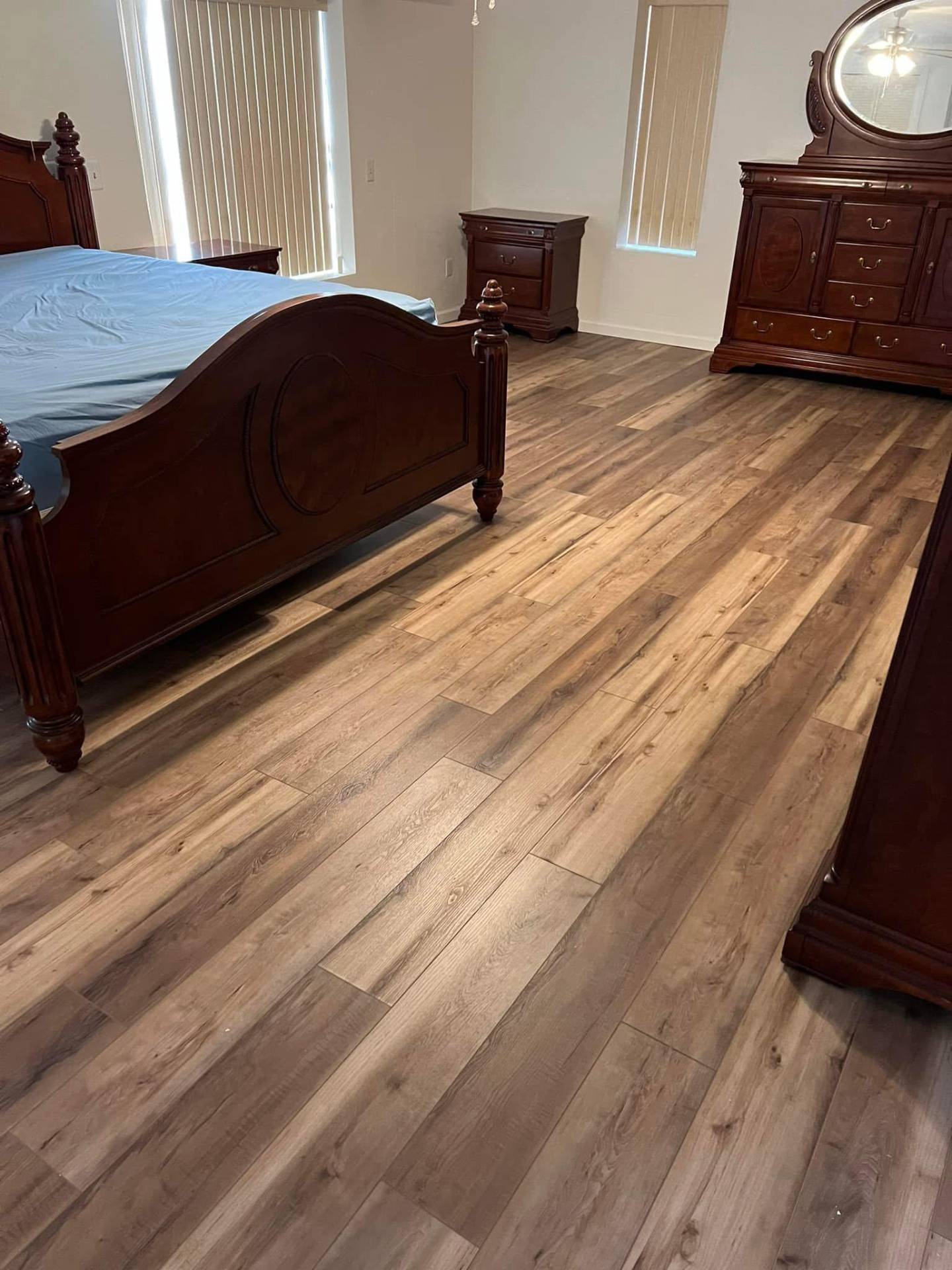

What Are Volatile Organic Compounds?
Volatile Organic Compounds (VOCs) are a large group of carbon-containing chemicals that easily evaporate (volatilize) at room temperature. The term encompasses thousands of different compounds with varying properties and health effects.
Chemical Characteristics
- High Vapor Pressure: VOCs readily evaporate into the air, making them "volatile"
- Carbon-Based: All VOCs contain carbon atoms, classifying them as organic compounds
- Variable Toxicity: Some VOCs are relatively harmless; others are highly toxic or carcinogenic
- Detectable Odors: Many VOCs have distinct smells (the "new car smell" is VOCs off-gassing)
Common VOCs in Buildings
| VOC | Common Sources | Health Concerns |
|---|---|---|
| Formaldehyde | Composite wood, adhesives | Carcinogen, respiratory irritant |
| Benzene | Paints, adhesives, gasoline | Carcinogen, blood disorders |
| Toluene | Paint, adhesives, finishes | Neurological effects |
| Xylene | Paints, lacquers, adhesives | Respiratory, neurological |
| Acetaldehyde | Composite wood, coatings | Probable carcinogen |
| Styrene | Insulation, plastics | Possible carcinogen |
TVOC (Total VOCs)
Total Volatile Organic Compounds (TVOC) measures the combined concentration of all VOCs in air. While useful for overall assessment, TVOC doesn't distinguish between more and less harmful compounds. Individual VOC measurement provides more meaningful health risk information.
Major VOC Sources in Buildings
VOCs enter indoor environments from numerous sources. Understanding these sources helps target reduction efforts effectively.
Building Materials
- Flooring: Vinyl/LVP (varies by product), laminate (adhesives and core), carpet (backing and fibers), adhesives used in installation
- Composite Wood: Particleboard, MDF, plywood contain formaldehyde-based adhesives
- Insulation: Some foam insulations emit VOCs during and after installation
- Wall Coverings: Vinyl wallpaper, paint, wall textures
Finishes and Coatings
- Paints: Oil-based contain high VOCs; even low-VOC latex emits some compounds
- Stains and Varnishes: Wood finishes often contain significant solvents
- Sealers and Adhesives: Caulks, sealants, and construction adhesives
Furnishings and Products
- Furniture: Especially new items with composite wood, foam, or vinyl
- Mattresses: Foam materials and fire retardant treatments
- Cleaning Products: Many conventional cleaners contain VOCs
- Air Fresheners: Paradoxically, often major VOC sources
- Personal Care Products: Fragrances, sprays, nail polish
Off-Gassing Patterns
New materials off-gas most heavily immediately after installation, with emissions typically highest in the first 72 hours and declining over weeks to months. Temperature and humidity affect off-gassing rates—warmer, more humid conditions accelerate VOC release.
Health Effects of VOC Exposure
VOC exposure causes both immediate symptoms and potential long-term health effects. Individual sensitivity varies significantly.
Acute (Short-Term) Effects
- Eye Irritation: Burning, watering, redness
- Respiratory Irritation: Nose and throat irritation, coughing
- Headaches: Common with elevated VOC exposure
- Dizziness: Particularly in poorly ventilated spaces
- Nausea: Some individuals experience gastrointestinal symptoms
- Allergic Reactions: Skin reactions, asthma exacerbation
Chronic (Long-Term) Effects
Prolonged exposure to certain VOCs at elevated levels can cause:
- Cancer: Formaldehyde and benzene are classified carcinogens
- Liver Damage: Some VOCs are hepatotoxic
- Kidney Damage: Certain compounds affect kidney function
- Central Nervous System: Neurological effects from some solvents
- Respiratory Disease: Contribution to asthma and other conditions
Vulnerable Populations
Some groups face heightened risks from VOC exposure:
- Children: Developing systems are more vulnerable; higher breathing rate relative to body size
- Pregnant Women: Some VOCs cross the placenta
- Elderly: Reduced ability to metabolize and eliminate chemicals
- Chemically Sensitive Individuals: React at lower exposure levels
- Asthmatics: VOCs can trigger or worsen symptoms
Strategies for Reducing VOC Exposure
Reducing VOC exposure requires a multi-pronged approach addressing source control, ventilation, and air treatment.
Source Control (Most Effective)
- Choose Low-VOC Products: Select paints, adhesives, and finishes labeled low-VOC or zero-VOC
- Specify Certified Materials: FloorScore, GREENGUARD, and CDPH-compliant products have verified low emissions
- Avoid Unnecessary Products: Eliminate air fresheners, fragranced products, and unnecessary chemicals
- Allow Off-Gassing: Let new furniture and materials off-gas in well-ventilated areas before bringing indoors
Ventilation
- Increase Fresh Air: Open windows when weather permits, especially after new installations
- Run Exhaust Fans: Remove contaminated air from kitchens, bathrooms, and work areas
- HVAC Considerations: Ensure adequate outdoor air exchange; maintain filters
- Installation Timing: Schedule major installations when building can be well-ventilated
Air Treatment
- Activated Carbon Filters: Effective at adsorbing VOCs from air
- Air Purifiers: Units with activated carbon (not just HEPA) address VOCs
- Plants: Some evidence for VOC absorption, though effectiveness is debated
During and After Renovation
- Ventilate continuously during and for several days after installation
- Increase ventilation rate for 1-2 weeks minimum
- Consider temporary relocation for sensitive individuals during high-emission periods
- Store unused materials in well-ventilated areas or outside
VOCs in Flooring Materials
Because flooring covers large surface areas and is in close contact with occupants, it's an important focus for VOC reduction.
Flooring Types and VOC Concerns
| Flooring Type | VOC Sources | Mitigation |
|---|---|---|
| Vinyl/LVP | Plasticizers, stabilizers, ink, wear layer | Choose FloorScore certified, phthalate-free |
| Laminate | Formaldehyde in core, adhesives, coatings | CARB Phase 2 or NAF compliant |
| Carpet | Backing materials, adhesives, fiber treatments | CRI Green Label Plus certified |
| Hardwood | Finishes, stains, adhesives (if glue-down) | Factory-finished, water-based finishes |
| Cork/Bamboo | Finishes, adhesives | Low-VOC finishes, floating installation |
Installation Method Matters
- Floating/Click-Lock: Eliminates adhesive emissions; preferred for IAQ
- Glue-Down: Adhesives can be significant VOC sources; specify low-VOC options
- Nail-Down: Minimal chemical emissions for solid wood
Key Certifications for Low-VOC Flooring
- FloorScore: Tests flooring for compliance with CDPH emission limits—required for LEED
- GREENGUARD Gold: Stricter standards appropriate for schools and healthcare
- CRI Green Label Plus: Carpet-specific certification for low emissions
Learn more about product certifications in our low-emitting materials guide.
Measuring and Monitoring VOCs
Measuring indoor VOC levels provides objective data for assessing air quality and verifying improvements.
Measurement Methods
- Professional Testing: Industrial hygienists use sophisticated equipment to measure individual VOCs and TVOC. Recommended for health investigations or baseline assessments.
- Consumer Monitors: Relatively affordable TVOC monitors ($100-500) provide real-time readings. Useful for relative comparison but less accurate than professional equipment.
- Badge Sampling: Passive samplers worn by individuals or placed in rooms collect VOCs over time for laboratory analysis.
Interpreting Results
VOC concentrations are typically expressed in parts per billion (ppb), parts per million (ppm), or micrograms per cubic meter (ug/m3). General TVOC guidelines:
- < 300 ug/m3: Low concern
- 300-500 ug/m3: Acceptable, sensitive individuals may react
- 500-1000 ug/m3: Elevated, ventilation recommended
- > 1000 ug/m3: High, investigate sources and improve ventilation
When to Test
Consider VOC testing:
- Before and after renovation to verify improvement
- When occupants report symptoms suggesting poor air quality
- For new construction commissioning
- To verify claims about low-VOC products
For LEED projects, air testing requirements are specified in the Indoor Environmental Quality credits. See our LEED certification guide for details.