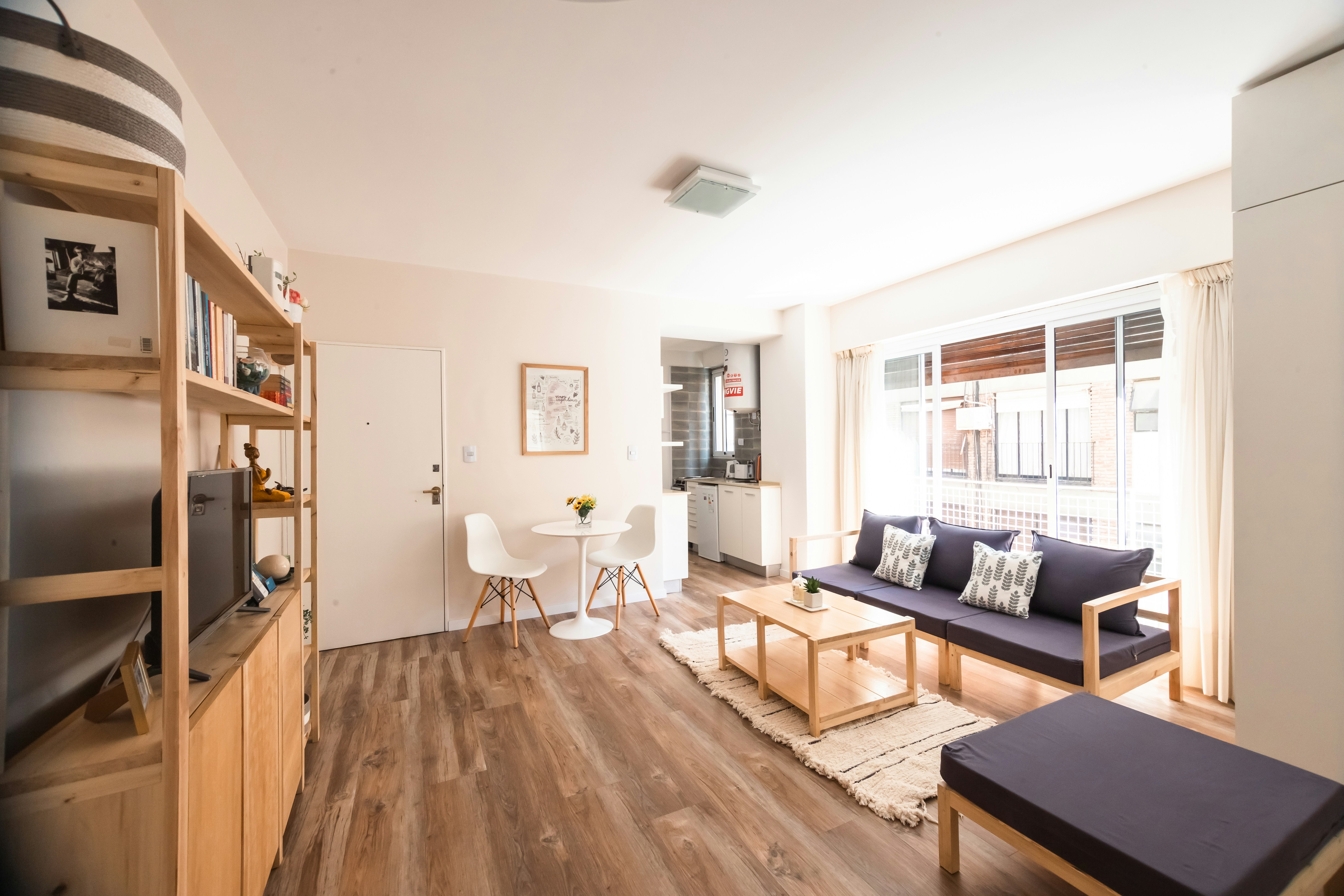

What Is Engineered Hardwood?
Engineered hardwood consists of a real wood veneer (the wear layer) bonded to multiple layers of plywood, HDF (high-density fiberboard), or other wood composites arranged with alternating grain directions. This cross-layer construction provides exceptional dimensional stability—the primary advantage over solid hardwood.
Anatomy of Engineered Hardwood
- Wear Layer (Top): Real hardwood veneer ranging from 0.6mm (rotary-peeled) to 6mm+ (sawn). This is what you see and walk on. Thicker wear layers allow multiple refinishing cycles.
- Core Layers: Multiple plies of wood or HDF arranged perpendicular to each other. This cross-grain construction counteracts wood's natural tendency to expand and contract.
- Backing Layer: Balances the construction and provides additional stability.
How Construction Affects Performance
The layered construction gives engineered hardwood significant advantages:
- Expansion/contraction reduced by up to 80% compared to solid hardwood
- Resistance to cupping, crowning, and gapping in humidity changes
- Compatibility with radiant heat systems (most solid hardwood cannot be installed over radiant heat)
- Installation directly over concrete subfloors (impossible with nail-down solid hardwood)
This stability makes engineered hardwood particularly well-suited for Florida's humid climate, where solid hardwood can experience significant seasonal movement.
Key Benefits of Engineered Hardwood
Engineered hardwood offers a compelling combination of aesthetics, performance, and value that makes it the preferred choice for many homeowners and builders.
Real Wood Beauty
The wear layer is genuine hardwood—not a photograph or imitation. You get authentic wood grain variation, natural color depth, and the unmistakable feel of real wood underfoot. Unlike vinyl or laminate, engineered hardwood ages gracefully, developing character over time.
Superior Stability
The cross-layer construction resists expansion and contraction from humidity changes. In Florida, where humidity can swing from 40% to 90% between seasons, this stability prevents the gaps, cupping, and buckling common with solid hardwood.
Installation Flexibility
Engineered hardwood can be installed three ways:
- Floating: Planks click together without fastening to the subfloor. Fast installation, works over most subfloors including concrete.
- Glue-Down: Adhesive bonds planks directly to the subfloor. Provides solid feel and maximum stability. Required for some radiant heat installations.
- Nail/Staple-Down: Fastened to wood subfloors like solid hardwood. Traditional installation with proven longevity.
Below-Grade Installation
Unlike solid hardwood, engineered hardwood can be installed in basements and below-grade spaces (with proper moisture barriers). The stable core handles the moisture fluctuations typical in below-grade environments.
Radiant Heat Compatibility
Most engineered hardwood manufacturers approve installation over radiant heating systems. The stable construction handles temperature changes that would damage solid hardwood.
Cost Efficiency
Engineered hardwood typically costs 20-40% less than equivalent solid hardwood species. The manufacturing process uses less solid wood (only the wear layer is the featured species), making exotic species more affordable.
Popular Wood Species for Engineered Hardwood
Engineered hardwood is available in virtually every wood species offered in solid form, plus some exotic options rarely available as solid planks.
Oak (White and Red)
The most popular choice for good reason. Oak offers excellent hardness (1290-1360 Janka rating), distinctive grain patterns, and takes stains beautifully. White oak has better water resistance than red oak, making it preferable for kitchens and entries.
Hickory
The hardest domestic wood species (1820 Janka rating). Dramatic grain variation with color ranging from light blonde to dark brown. Excellent for high-traffic areas and homes with pets. Natural character marks hide wear well.
Walnut
Rich, warm brown tones with distinctive grain. Softer than oak (1010 Janka) but prized for its luxurious appearance. Works best in lower-traffic areas or with thicker wear layers for durability.
Maple
Clean, light appearance with subtle grain. Hard (1450 Janka) and durable. Popular for modern and Scandinavian-inspired interiors. Takes light stains well but can blotch with darker stains.
Brazilian Cherry (Jatoba)
Exotic species with stunning reddish-brown color that deepens with light exposure. Extremely hard (2350 Janka rating). Engineered Brazilian cherry costs significantly less than solid, making this exotic affordable.
Acacia
Highly figured grain with dramatic color variation. Hard and durable (1750 Janka). Natural character creates unique, rustic appearance. Popular for contemporary and eclectic interiors.
Choosing by Hardness
For high-traffic areas, pets, and active households, choose species with Janka ratings above 1300. For lower-traffic spaces where aesthetics are primary, softer species like walnut can work well with appropriate care.
Understanding Wear Layer Thickness
The wear layer thickness is the most critical quality indicator for engineered hardwood. It determines both durability and refinishing potential.
Wear Layer Categories
- 0.6mm - 1mm (Rotary Peeled): Budget option. Cannot be refinished—when worn through, floor must be replaced. Suitable for rental properties or areas anticipating replacement within 10-15 years.
- 2mm - 3mm: Mid-range option. Allows one light sanding/refinish. Good balance of cost and longevity for most residential applications.
- 4mm+: Premium option. Can be refinished 2-3 times with proper technique. Lifetime similar to solid hardwood. Worth the investment for long-term homeowners.
- 6mm+ (Sawn): Highest quality. Sawn (rather than sliced) wear layer shows authentic grain patterns identical to solid hardwood. Multiple refinishing cycles possible.
Why Thickness Matters
Refinishing removes approximately 1mm of wood per cycle. A 2mm wear layer allows one refinish; a 4mm layer allows three. Given that quality engineered hardwood can last 50+ years with refinishing, the upfront investment in thicker wear layers pays dividends.
Identifying Quality Construction
Beyond wear layer thickness, look for:
- Core construction: More plies generally indicate better stability
- Finish quality: Look for aluminum oxide or UV-cured finishes with high scratch resistance
- Warranty: 25+ year residential warranties indicate manufacturer confidence
- Brand reputation: Established manufacturers maintain consistent quality control
Engineered vs. Solid Hardwood
Understanding the differences helps you choose the right option for your specific situation.
When Engineered Hardwood Is the Better Choice
- Humid climates: Florida's humidity causes solid hardwood to expand, contract, and gap. Engineered hardwood's stable construction resists this movement.
- Concrete subfloors: Engineered can be glued or floated directly over concrete. Solid hardwood requires wood subfloor installation first.
- Below-grade spaces: Basements and below-grade rooms suit engineered hardwood. Solid hardwood is not recommended below grade.
- Radiant heat: Most engineered hardwood works over radiant heat. Most solid hardwood does not.
- Budget considerations: Engineered costs less, especially for exotic species.
- DIY installation: Click-lock engineered flooring is significantly easier to install than nail-down solid hardwood.
When Solid Hardwood May Be Preferable
- Maximum refinishing potential: 3/4" solid hardwood can be refinished 10+ times over its lifetime.
- Matching existing floors: Historic homes with existing solid hardwood are better matched with solid replacement.
- Climate-controlled environments: In consistently controlled humidity (40-60%), solid hardwood performs well.
- Perceived value: Some buyers still consider solid hardwood "premium," though this perception is changing.
The Verdict for Florida
For most Florida homes, engineered hardwood is the smarter choice. The humidity stability, concrete compatibility, and lower cost outweigh solid hardwood's advantages in our climate. Many flooring professionals recommend engineered over solid for Gulf Coast installations.
Installation Methods Explained
One of engineered hardwood's greatest advantages is installation flexibility. Each method suits different situations.
Floating Installation (Click-Lock)
Planks connect via interlocking edges without attachment to the subfloor. The floor "floats" over underlayment.
- Pros: Fastest installation. DIY-friendly. Works over most subfloors. Easy to remove/replace if needed. Accommodates minor subfloor imperfections.
- Cons: Can feel hollow or "clicky" compared to attached floors. Requires expansion gaps. May not be as quiet underfoot.
- Best for: DIY projects, rental properties, installations over concrete, situations requiring future removal.
Glue-Down Installation
Adhesive bonds planks directly to the subfloor (concrete or wood).
- Pros: Most solid feel underfoot. Quietest option. Maximum stability. Required for some radiant heat systems. No hollow sound.
- Cons: More labor-intensive. Difficult to remove. Requires perfectly flat subfloor. Adhesive adds cost.
- Best for: Permanent installations, radiant heat, concrete subfloors where solid feel is priority, high-end homes.
Nail/Staple-Down Installation
Planks are fastened to wood subfloors with pneumatic nailers or staplers.
- Pros: Traditional installation method. Solid feel. Long-proven durability.
- Cons: Requires wood subfloor (not concrete). Not DIY-friendly without experience. Potential for squeaks if done incorrectly.
- Best for: Wood subfloors in permanent installations, matching existing nail-down floors.
Subfloor Requirements
Regardless of installation method, subfloors must be:
- Flat to within 3/16" over 10 feet
- Dry (moisture readings within manufacturer specifications)
- Clean and free of debris
- Structurally sound with no flex or bounce
Care and Maintenance
Engineered hardwood requires the same care as solid hardwood. Proper maintenance preserves appearance and extends lifespan.
Daily/Weekly Care
- Dust mopping or vacuuming: Regular removal of grit and debris prevents scratching. Use vacuum attachments safe for hard floors (no beater bar).
- Spot cleaning: Wipe spills immediately with a damp cloth. Standing water damages all wood flooring.
- Entry mats: Place quality mats at all exterior doors to trap grit before it reaches the floor.
Monthly/Periodic Care
- Damp mopping: Use manufacturer-approved hardwood floor cleaner. Never wet mop or use steam cleaners.
- Furniture pads: Check and replace felt pads under furniture legs regularly. Worn pads allow scratching.
- Pet nail trimming: Keep pet nails trimmed to prevent scratches.
What to Avoid
- Excessive water: Never use steam mops, wet mops, or excessive liquid. Water is wood's enemy.
- Vinegar and harsh cleaners: Acidic cleaners dull polyurethane finishes over time.
- Wax on polyurethane: If your floor has a polyurethane finish (most do), never apply wax. It creates a hazy film that's difficult to remove.
- Dragging furniture: Always lift furniture or use moving pads.
Humidity Control
Maintain indoor humidity between 35-55% year-round. In Florida, this primarily means managing humidity during summer months. Dehumidifiers or HVAC systems help maintain stable conditions.
Cost and Value Considerations
Understanding engineered hardwood pricing helps you budget appropriately and recognize quality differences.
Typical Price Ranges (Material Only)
- Budget ($3-5/sq ft): Thin wear layers (0.6-2mm), basic species like oak. Suitable for rentals or short-term needs.
- Mid-Range ($5-9/sq ft): 2-3mm wear layers, quality construction, popular species. Good balance for most homeowners.
- Premium ($9-15/sq ft): 4mm+ wear layers, exotic species, superior finishes. Long-term investment quality.
- Luxury ($15-25+/sq ft): Wide planks, 6mm sawn wear layers, rare species. Architect-specified, custom installations.
Installation Costs
Professional installation typically adds $3-6/sq ft depending on method:
- Floating installation: $2-4/sq ft
- Glue-down installation: $3-5/sq ft
- Nail-down installation: $3-5/sq ft
Add $1-2/sq ft for furniture moving, old flooring removal, or subfloor preparation.
Value Comparison
Compared to alternatives:
- vs. Solid Hardwood: 20-40% less expensive for equivalent species
- vs. Luxury Vinyl Plank: Similar installed cost for mid-range products; engineered offers real wood value
- vs. Laminate: More expensive, but real wood provides superior aesthetics and refinishing options
Resale Value Impact
Real hardwood flooring (solid or engineered) remains a top feature for home buyers. Engineered hardwood from quality manufacturers is increasingly valued equally with solid hardwood as buyers recognize its practical advantages.