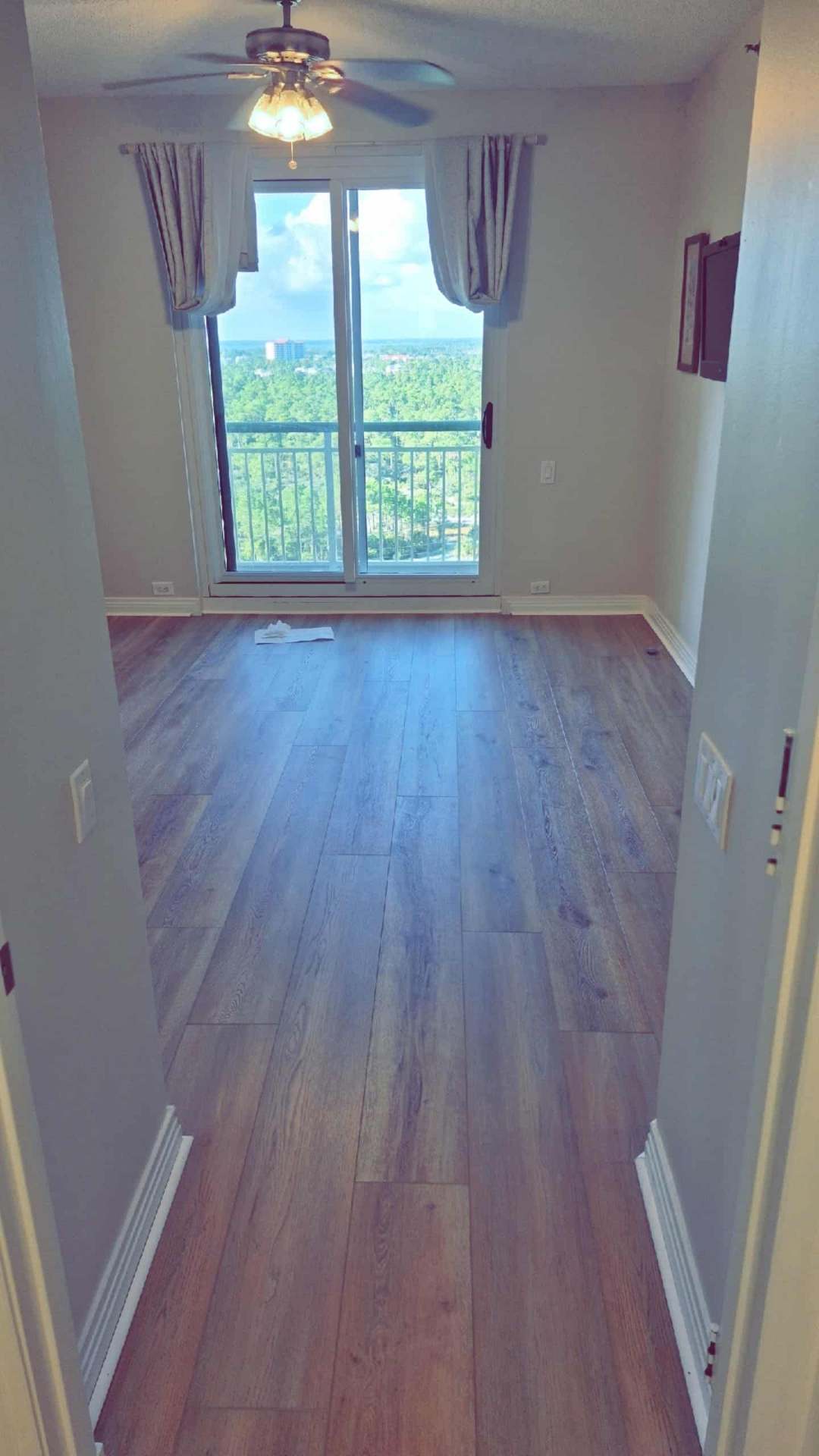

Vinyl vs Carpet: Complete Comparison Overview
Understanding the fundamental differences between vinyl plank and carpet helps frame the entire decision-making process. Vinyl plank is a synthetic flooring made from PVC layers with a photographic image layer that mimics wood or stone, topped with a protective wear layer. Carpet consists of fiber tufts (nylon, polyester, or wool) attached to a backing material. These different constructions lead to dramatically different performance characteristics.
Side-by-Side Comparison Table
| Factor | Vinyl Plank | Carpet |
|---|---|---|
| Durability | 15-25 years | 5-15 years |
| Water Resistance | 100% waterproof | Poor (stains easily) |
| Maintenance | Easy (damp mop) | Moderate (vacuum + professional cleaning) |
| Comfort | Hard underfoot | Soft and warm |
| Cost (Installed) | $3-8/sq ft | $2-7/sq ft |
| Installation | DIY-friendly | Professional recommended |
| Sound Absorption | Moderate with underlayment | Excellent |
| Allergens | Minimal (easy to clean) | Can trap allergens |
| Resale Value | Higher (modern preference) | Lower (more personal) |
| Pet Friendly | Excellent | Challenging |
This comparison reveals that vinyl excels in durability and practicality, while carpet offers superior comfort and acoustics. The best choice often varies by room and household needs.
Durability and Longevity Comparison
Durability is often the deciding factor for homeowners making a long-term investment. Vinyl plank significantly outperforms carpet in lifespan, typically lasting 15-25 years compared to carpet's 5-15 year average. However, durability depends heavily on product quality and traffic levels.
Vinyl Plank Durability
Quality vinyl plank flooring resists scratches, dents, and stains through its protective wear layer. The wear layer thickness (measured in mils) directly impacts durability—residential products typically feature 12-20 mil layers, while commercial-grade options reach 20-28 mils. Rigid core vinyl (SPC and WPC) resists denting better than flexible LVP. Major manufacturers offer 15-year to lifetime residential warranties, with commercial warranties ranging from 5-15 years.
Carpet Durability
Carpet durability depends primarily on fiber type and density. Nylon offers the best durability and resilience, bouncing back from foot traffic. Polyester resists staining but crushes more easily in high-traffic areas. Wool provides excellent durability but at premium prices. Face weight (ounces per square yard) indicates pile density—higher is generally better. Expect to replace carpet every 5-10 years in high-traffic areas and 10-15 years in bedrooms.
Wear Patterns
Vinyl plank maintains consistent appearance throughout its lifespan, with wear layer erosion the primary concern. Carpet shows wear patterns earlier—traffic paths become visible, pile crushes, and colors fade in sunny areas. Carpet also suffers from burns, snags, and permanent stains that vinyl resists.
Comfort, Warmth, and Sound
If comfort is your priority, carpet has distinct advantages. The soft, cushioned surface feels warm underfoot and provides a welcoming atmosphere that hard surfaces cannot replicate. However, modern vinyl with quality underlayment has narrowed this gap considerably.
Underfoot Comfort
Carpet provides exceptional comfort for standing, walking, and sitting on the floor. The padding beneath carpet adds cushioning that reduces leg fatigue during extended standing. This makes carpet ideal for bedrooms where you step out of bed onto a soft surface, playrooms where children sit on the floor, and home offices where comfort during long hours matters.
Thermal Properties
Carpet acts as insulation, retaining warmth and creating a cozy atmosphere. In winter, carpet feels noticeably warmer than vinyl, which can feel cold to bare feet. Vinyl conducts temperature more readily, though underlayment helps provide some thermal barrier. For Florida homes with air conditioning, this difference matters less than in cold climates, but carpet still feels warmer in climate-controlled spaces.
Sound Absorption
Carpet dramatically reduces noise transmission between floors and absorbs sound within the room. This benefits multi-story homes, apartments, home theaters, and bedrooms. Vinyl can be noisy—footsteps and dropped objects create audible impacts. Quality underlayment (at least 1.5mm thickness) significantly reduces vinyl noise, but carpet still outperforms for acoustic control. If noise reduction matters, carpet is the clear winner.
Maintenance and Cleaning Requirements
Maintenance requirements differ dramatically between these flooring types, and this often becomes the deciding factor for busy households. Vinyl offers ease and simplicity, while carpet requires more intensive ongoing care.
Vinyl Plank Maintenance
Vinyl plank flooring requires minimal maintenance:
- Daily: Sweep or dust mop to remove debris
- Weekly: Damp mop with water or vinyl-safe cleaner
- As needed: Wipe up spills immediately (though waterproof, standing liquids can seep at seams)
- Never needed: Waxing, refinishing, or professional cleaning
Vinyl's waterproof surface means spills wipe up completely without staining. Pet accidents, wine spills, and tracked mud clean up easily without lasting effects. Most vinyl can be cleaned with just water—no special products required.
Carpet Maintenance
Carpet requires more extensive care:
- 2-3 times weekly: Vacuum to remove dirt and debris (more in high-traffic areas)
- Immediately: Treat stains and spills—delays often mean permanent marks
- Annually: Professional deep cleaning ($0.25-0.50/sq ft)
- Every 3-5 years: Consider carpet cleaning machine rental for refreshing
Stain removal is carpet's biggest maintenance challenge. Different stains require different treatments, and some become permanent despite best efforts. Pet owners and families with young children often find carpet maintenance exhausting.
Room-by-Room Recommendations
Rather than choosing one flooring for your entire home, most homeowners benefit from strategic placement based on each room's function. Here's our professional recommendation for each space.
Vinyl is Better For:
- Kitchens: Spills, splashes, and dropped items are inevitable—vinyl's waterproof durability is essential
- Bathrooms: Moisture and humidity make carpet inappropriate; vinyl handles these conditions perfectly
- Laundry Rooms: Potential water leaks and humidity favor waterproof flooring
- Basements: Moisture concerns and potential flooding make vinyl the only sensible choice
- Entryways: Tracked dirt, rain, and heavy traffic are easily managed with vinyl
- Mudrooms: The need for easy cleanup makes vinyl ideal
Carpet is Better For:
- Bedrooms: Comfort underfoot when rising, warmth, and quiet atmosphere
- Upstairs Hallways: Noise reduction benefits those on lower floors
- Nurseries: Soft landing for crawling babies and learning walkers
- Media Rooms: Sound absorption enhances audio quality and reduces echo
Either Works Well:
- Living Rooms: Personal preference dominates—consider lifestyle factors
- Dining Rooms: Vinyl handles spills better; carpet adds formality
- Home Offices: Vinyl works better with rolling chairs; carpet reduces fatigue
Special Considerations for Florida Homes
Florida's unique climate creates specific flooring challenges that affect the vinyl vs. carpet decision. Our Gulf Coast location brings humidity, tropical storms, and lifestyle factors that mainland homeowners don't face.
Humidity and Moisture
Florida's high humidity can cause mold and mildew growth in carpet padding if moisture becomes trapped. This is particularly concerning in coastal areas like Pensacola where salt air and high humidity combine. Vinyl's waterproof construction prevents these issues entirely. For homes without continuous AC operation (vacation homes, rental properties), vinyl is strongly recommended.
Storm and Flood Considerations
Hurricane-prone areas benefit from vinyl flooring's resilience. If flooding occurs, vinyl can often be dried, cleaned, and reused, while carpet and padding must be replaced entirely. Even minor water intrusion from wind-driven rain can ruin carpet while leaving vinyl unaffected.
Sand and Beach Traffic
Beach-adjacent homes see significant sand tracked inside. Sand is highly abrasive and damages carpet fibers over time, creating wear patterns. Vinyl handles sand better—it's easily swept away without abrasion damage. For beach house living rooms and common areas, vinyl is the practical choice.
Our Recommendation
For Pensacola and Gulf Coast homes, we typically recommend vinyl for main living areas, kitchens, bathrooms, and entryways. Reserve carpet for climate-controlled bedrooms where you can enjoy its comfort without humidity or moisture concerns. This combination offers the best of both worlds for our Florida lifestyle.
Ready to explore your options? View our vinyl collection and carpet selection, or schedule a consultation with our Pensacola design team.
Cost Analysis: Initial and Lifetime
Cost comparison requires looking beyond initial purchase price to understand the true investment over your flooring's lifetime. While initial costs are similar, long-term ownership costs differ significantly.
Initial Purchase and Installation Costs
| Cost Factor | Vinyl Plank | Carpet |
|---|---|---|
| Material (per sq ft) | $2-6 | $1-5 |
| Installation (per sq ft) | $1.50-3 | $0.50-1.50 |
| Underlayment/Padding | Often attached | $0.50-1 extra |
| Total Installed | $3-8/sq ft | $2-7/sq ft |
Lifetime Cost Factors
The real cost difference emerges over time:
- Replacement frequency: Vinyl lasts 15-25 years vs. carpet's 5-15 years. You may replace carpet 2-3 times before vinyl needs replacement.
- Professional cleaning: Carpet requires annual cleaning ($0.25-0.50/sq ft). Over 15 years, this adds $3.75-7.50/sq ft to carpet's cost.
- Stain treatments: Carpet may need spot treatments and stain removal services adding to costs.
- Energy efficiency: Carpet provides better insulation, potentially reducing heating/cooling costs slightly.
Total Cost of Ownership Example
For a 500 sq ft living room over 20 years:
- Vinyl: $2,500 initial + $0 maintenance = $2,500 total
- Carpet: $2,000 initial + $2,000 cleaning + $2,000 replacement = $6,000 total
While these are estimates, vinyl typically costs 40-60% less over its lifetime despite higher initial costs.