
Major Chemicals of Concern in Building Materials
Building materials can contain hundreds of different chemicals, but certain categories pose well-documented health risks. Understanding these chemicals helps you identify products to avoid and healthier alternatives to choose.
Formaldehyde
One of the most common indoor air pollutants, formaldehyde is found in composite wood products (particleboard, MDF, plywood), adhesives, and some flooring. At elevated levels, it causes eye, nose, and throat irritation; at chronic low levels, it's classified as a known human carcinogen. Sources include laminate flooring with certain adhesives, cabinetry, and subflooring. Look for products labeled CARB Phase 2 compliant or NAF (no added formaldehyde).
Phthalates
Used as plasticizers to make PVC flexible, phthalates are found in vinyl flooring, wall coverings, and numerous building products. Research links phthalate exposure to endocrine disruption, reproductive effects, and developmental concerns. Because phthalates aren't chemically bound to the plastic, they migrate out over time and accumulate in household dust. Some manufacturers now offer phthalate-free vinyl alternatives.
Flame Retardants
Added to foam insulation, furniture, and building materials to meet fire codes, many flame retardants are persistent in the environment and accumulate in human tissue. Health concerns include endocrine disruption, neurodevelopmental effects, and potential carcinogenicity. Alternatives include inherently fire-resistant materials and newer, less toxic flame retardant chemistries.
VOCs (Volatile Organic Compounds)
A broad category including hundreds of compounds that off-gas from paints, finishes, adhesives, and flooring. Effects range from immediate irritation to long-term health impacts. Learn more in our detailed guide to VOCs and indoor air quality.
Health Effects of Material Exposures
Chemical exposures from building materials affect occupants through multiple pathways: inhalation of off-gassed compounds, ingestion of contaminated dust, and skin contact. Health effects range from immediate reactions to long-term chronic conditions.
Acute Effects
- Respiratory Irritation: Coughing, wheezing, shortness of breath from VOC exposure
- Eye and Skin Irritation: Burning, itching, redness from formaldehyde and other irritants
- Headaches and Dizziness: Common responses to elevated VOC levels
- Allergic Reactions: Triggered by sensitizing chemicals in adhesives and finishes
Chronic Effects
- Respiratory Disease: Long-term exposure contributes to asthma development and exacerbation
- Neurological Effects: Some solvents and flame retardants affect cognitive function
- Endocrine Disruption: Phthalates and some flame retardants interfere with hormonal systems
- Cancer Risk: Formaldehyde, some VOCs, and certain other chemicals are classified carcinogens
Vulnerable Populations
Children, pregnant women, elderly individuals, and those with existing health conditions face heightened risks from material exposures. Children breathe more air relative to body weight and spend more time near floors where dust accumulates. Developing fetuses and young children are especially sensitive to endocrine-disrupting chemicals. These vulnerabilities underscore the importance of healthier material selection in homes, schools, and healthcare facilities.
Flooring Materials and Health Impacts
Flooring covers large surface areas and contacts feet, hands, and bodies regularly—making material selection particularly important for health.
Flooring Types and Concerns
| Flooring Type | Potential Concerns | Healthier Options |
|---|---|---|
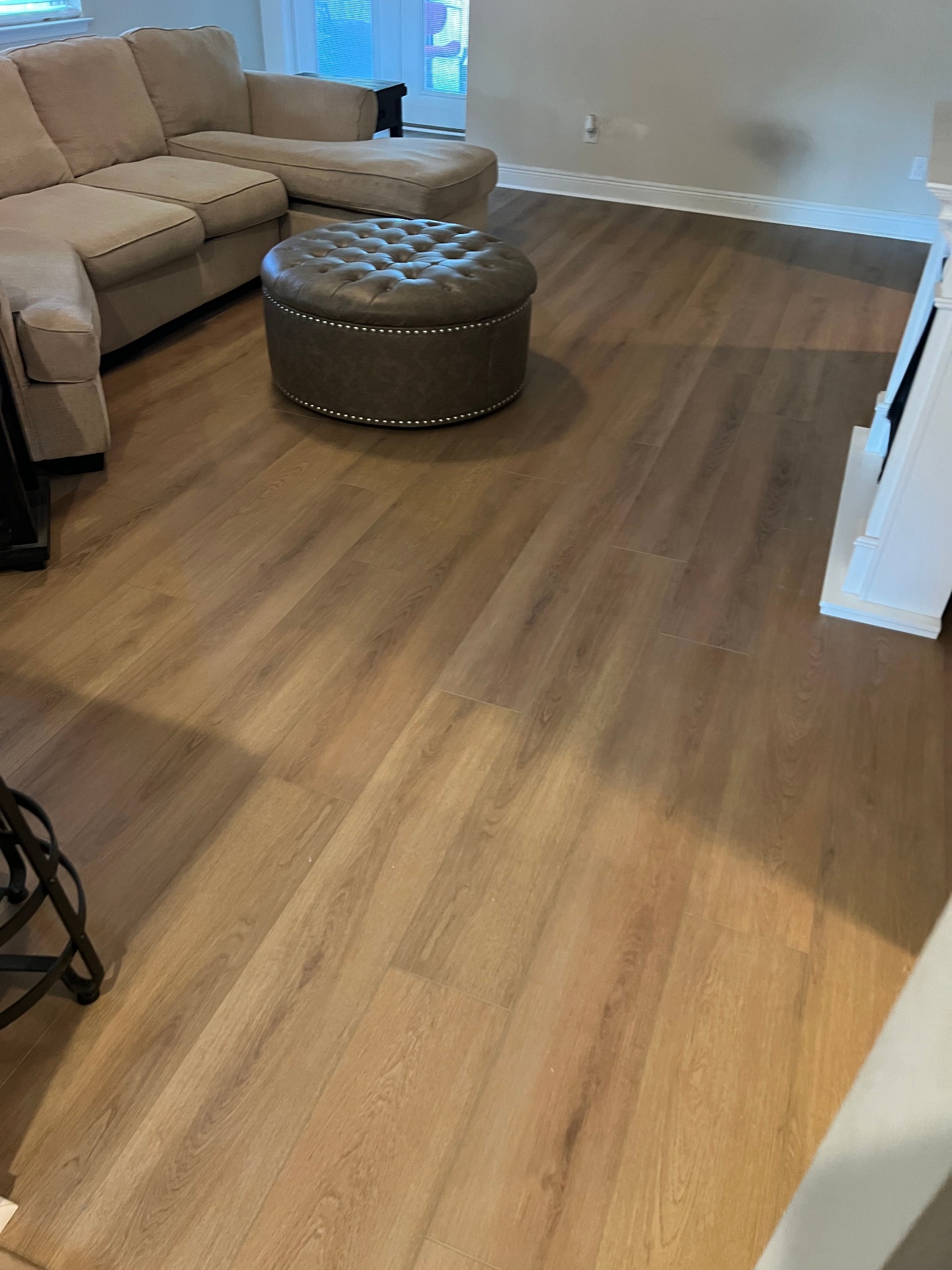
| Vinyl/LVP | Phthalates, VOC emissions | Phthalate-free, FloorScore certified |
| Laminate | Formaldehyde in core/adhesives | CARB Phase 2, NAF products |
| Carpet | VOCs, allergen accumulation, adhesives | Low-VOC carpet and pad, hard surfaces |
| Hardwood | Finish VOCs, formaldehyde in engineered | Water-based finishes, solid wood |
| Cork | Finish emissions (if present) | Low-VOC finishes, natural options |
Adhesive Considerations
How flooring is installed matters as much as the flooring itself. Adhesives can be significant sources of VOCs and other chemicals. Floating floor installations that don't require adhesive reduce chemical exposure. When adhesives are necessary, specify low-VOC or zero-VOC products and ensure adequate ventilation during and after installation.
Dust and Cleaning
Hard surface flooring is easier to keep free of dust that accumulates chemicals from throughout the home. Regular wet mopping removes dust more effectively than dry methods. Carpet accumulates and holds dust particles, making regular HEPA vacuuming essential.
Certifications and Transparency Tools
Third-party certifications and transparency tools help identify healthier products. Rather than relying on marketing claims, look for verified standards.
Emission Certifications
- FloorScore: Certifies flooring meets strict VOC emission limits for indoor air quality
- GREENGUARD: Tests products for chemical emissions; GREENGUARD Gold meets stricter standards suitable for schools and healthcare
- Declare Label: "Nutrition label" for building products listing all ingredients
- Cradle to Cradle: Evaluates material health, recyclability, and manufacturing impacts
Transparency Documents
- Health Product Declaration (HPD): Standardized disclosure of product contents and associated health hazards
- Environmental Product Declaration (EPD): Third-party verified environmental lifecycle impacts
- Red List Free: Products free of Living Building Challenge Red List chemicals
Using These Tools
For LEED projects, FloorScore certification satisfies low-emitting materials requirements. For Living Building Challenge projects, Red List Free and Declare labels are essential. HPDs support informed decision-making by revealing chemical contents. The Mindful Materials platform and Pharos database help compare products. Learn more about low-emitting materials requirements.
Strategies for Healthier Material Selection
Selecting healthier building materials requires understanding options and prioritizing high-impact decisions.
General Principles
- Avoid Known Hazards: Eliminate products containing chemicals of known concern when safer alternatives exist
- Demand Transparency: Choose manufacturers who disclose product ingredients through HPDs or Declare labels
- Verify Claims: Require third-party certification rather than accepting self-reported claims
- Prioritize High-Impact Areas: Focus on products with large surface areas, high contact, or significant emissions
- Consider Lifecycle: Evaluate impacts from manufacturing through installation, use, and disposal
Product-Specific Recommendations
- Flooring: Choose FloorScore certified products; consider natural options like hardwood, cork, or natural linoleum
- Paints and Finishes: Specify zero-VOC paints and low-VOC stains; allow adequate curing time
- Adhesives: Use low-VOC or zero-VOC products; consider floating installations when possible
- Insulation: Natural options include cellulose, mineral wool, and sheep's wool; avoid spray foam with problematic blowing agents
- Cabinetry: Request NAF (no added formaldehyde) composite wood or solid wood construction
For guidance selecting healthy flooring materials, contact our Pensacola design team.
Regulations and Industry Trends
Government regulations and industry initiatives are driving improvements in building material health, though progress varies by product category and region.
Key Regulations
- CARB ATCM: California's limits on formaldehyde in composite wood products, effectively a national standard
- Proposition 65: California requirement to warn consumers about chemicals causing cancer or reproductive harm
- TSCA Reform: EPA now evaluating and regulating hazardous chemicals under updated Toxic Substances Control Act
- State Flame Retardant Restrictions: Growing number of states limiting problematic flame retardants
Industry Trends
Market demand for healthier products is driving positive change. Major manufacturers now offer low-VOC and phthalate-free options across product categories. Material transparency has grown dramatically, with thousands of products now covered by HPDs. Retailers increasingly require environmental and health certifications. The green building movement, particularly LEED and the Living Building Challenge, pushes the industry toward continuous improvement.
Learn more about U.S. chemical policy and how regulations affect material availability and safety.